Best AI Tools for Recruiters in 2026 (All 51 Tools Reviewed)
Summarize with:




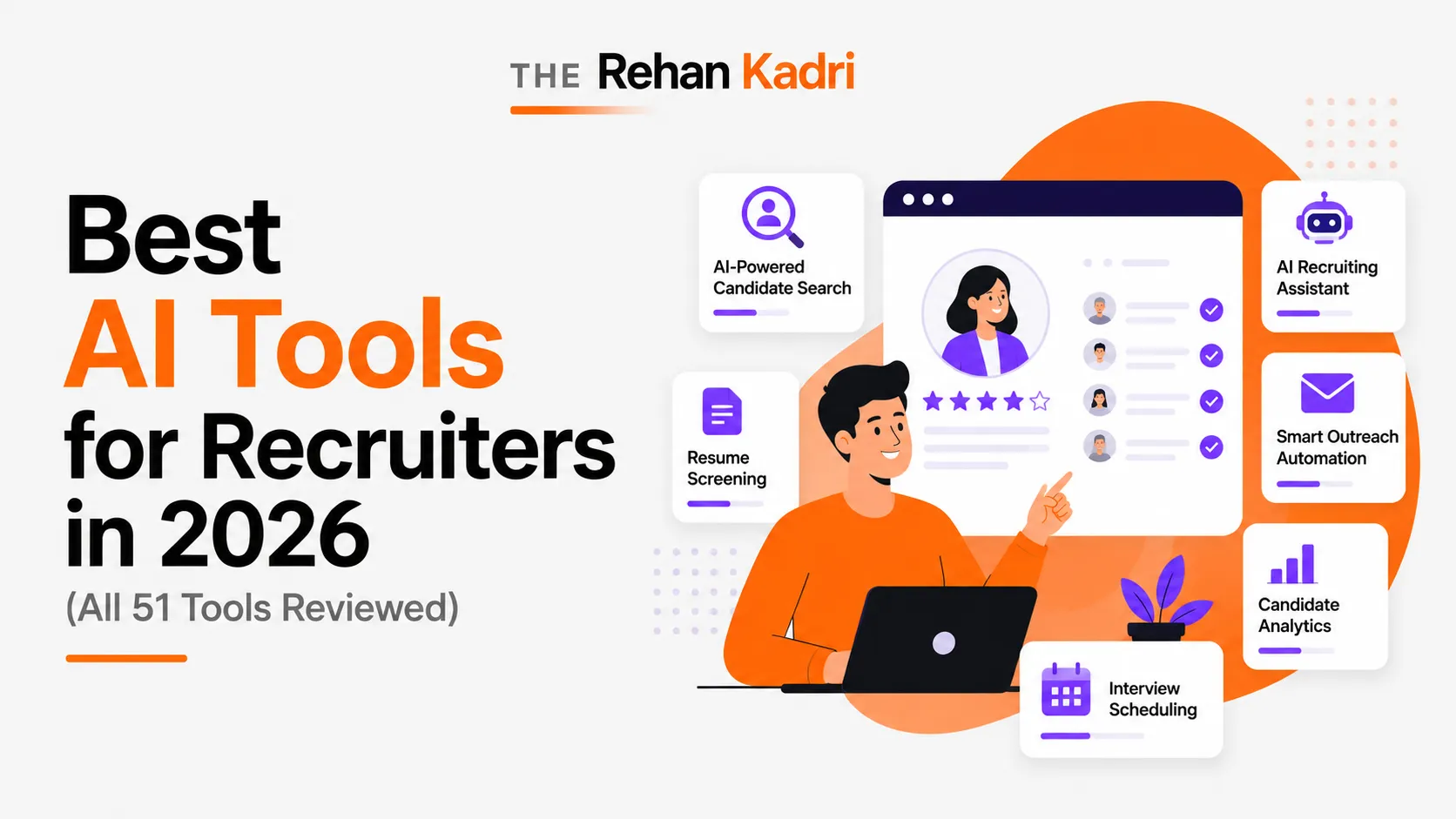
67% of talent acquisition pros now use AI somewhere in their hiring process. AI-powered screening is cutting time-to-shortlist by 75%. And staffing agencies report a 30% drop in cost-per-hire after adopting AI tools.
So if you're not using AI yet, you're already behind.
Here's the problem with most guides on this topic. They either cover 10 tools in real depth, or they cover 50 tools with a single throwaway sentence each. Neither one actually helps you make a decision.
This guide reviews all 51 tools that matter in 2026. Every single one gets the same full treatment: what it does, who it's built for, company size fit, key AI features, integrations, pricing (or an honest "not publicly disclosed" where that's the truth), ratings, security certifications, pros, cons, and who should skip it.
No vendor bias. No guessing at numbers that aren't public. Let's get into it.
What are AI recruiting tools?
Quick answer: AI recruiting tools are software platforms that use machine learning, natural language processing, or generative AI to automate parts of hiring, including sourcing candidates, screening resumes, scoring interviews, scheduling, and predicting quality of hire. In 2026, they fall into six main categories: sourcing, screening and matching, interviewing, all-in-one ATS/CRM platforms, agency-specific tools, and compliance/background verification.
Why recruiters are racing to adopt AI
87% of companies now use AI somewhere in recruitment. AI use across HR tasks climbed to 43% in 2026, up from just 26% in 2024. That's not a trend, that's a shift.
Here's why. AI now handles up to 95% of initial candidate screening at enterprise companies. And 74% of job seekers are already using AI in their own job search. The arms race is already on: candidates use AI to apply, recruiters need AI to keep up.
But here's the catch. Only 26% of applicants trust AI to evaluate them fairly, and 63% say algorithmic screening makes them uneasy. That trust gap is why explainability shows up as a real scoring factor throughout this guide, not just a marketing word.
Who this guide is for
This is written for people who already know what an ATS is: in-house TA teams, staffing agencies, HR directors evaluating vendor risk, startup founders hiring their first 10 people, and enterprise recruiting leaders who need FedRAMP or SOC 2 level security.
How we evaluated all 51 tools
Every tool got scored on the same five things.
1. Real AI vs. keyword matching. Does it use actual machine learning, or is it Boolean search with a chatbot bolted on?
2. Explainability. Can it show its work, or is it a black box?
3. Integration depth. Does it talk to the ATS and CRM you already run?
4. Security and compliance. SOC 2, ISO 27001, ISO 42001, GDPR, FedRAMP, HIPAA. More verified certifications, higher score.
5. Pricing transparency. Public pricing beats "contact sales" every time, and gated pricing costs points here.
Where a vendor doesn't publish a number publicly, this guide says so directly instead of guessing or inventing a figure.
Best all-in-one AI ATS platforms
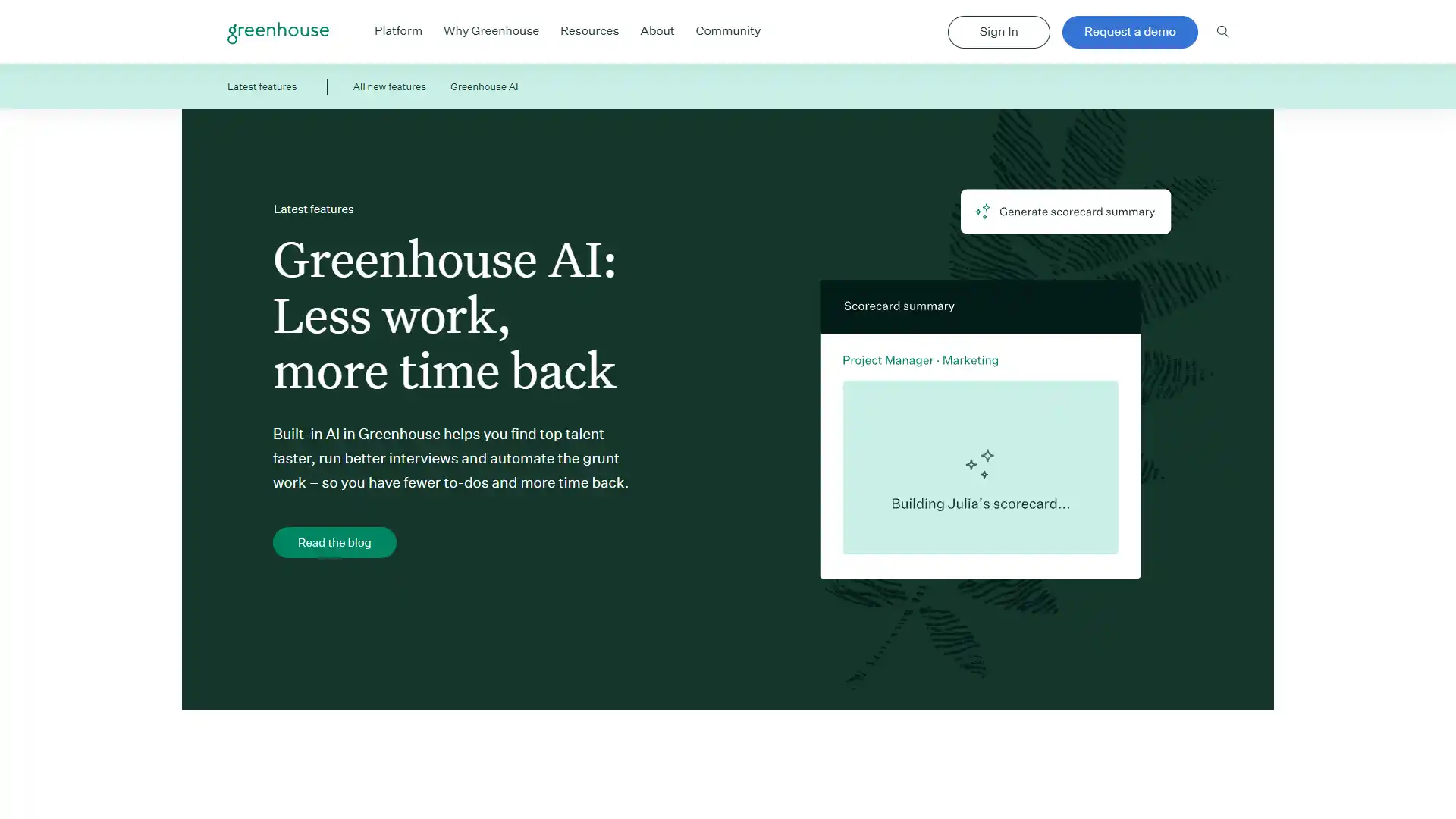
1. Greenhouse
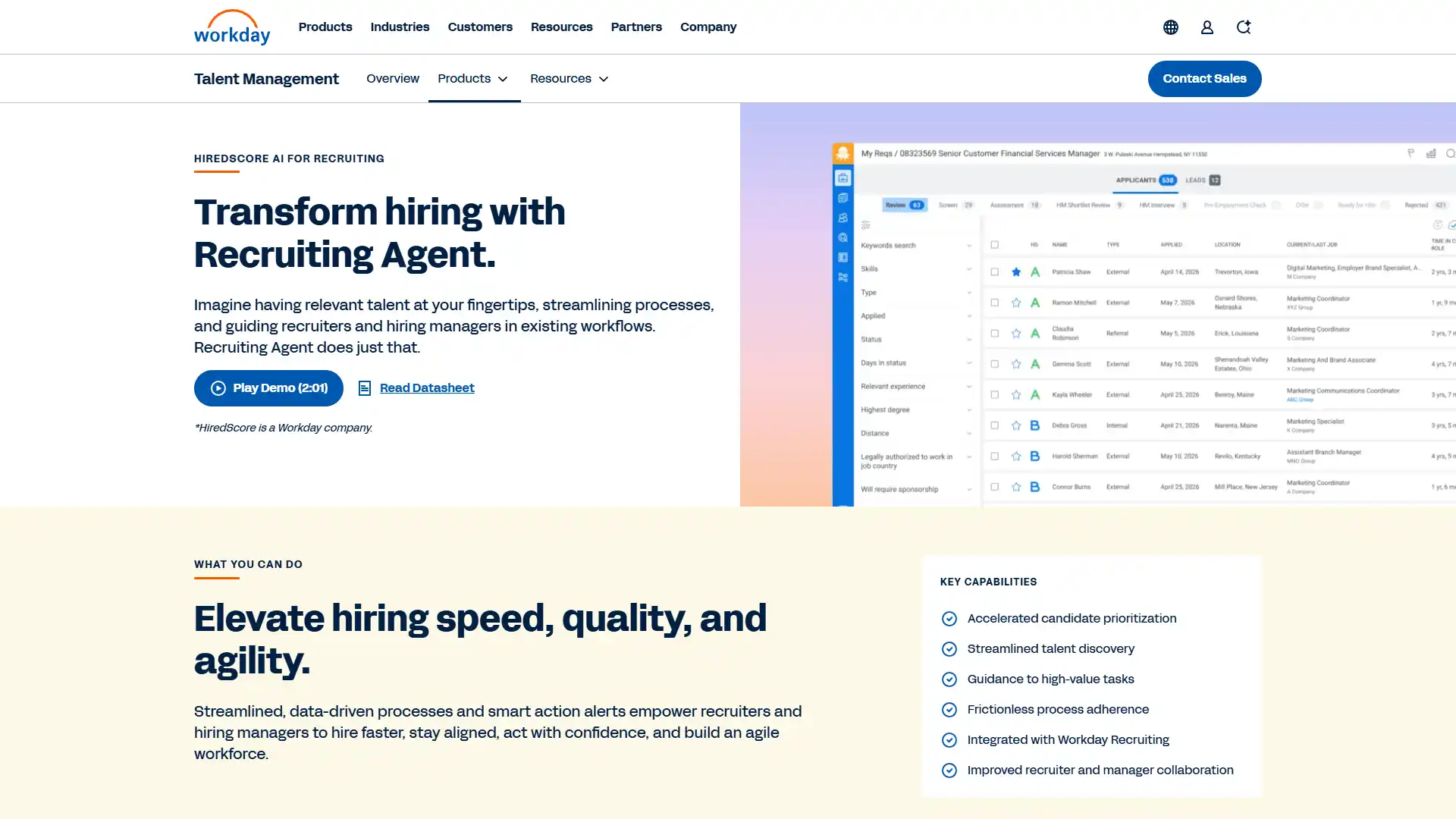
2. Workday Recruiting
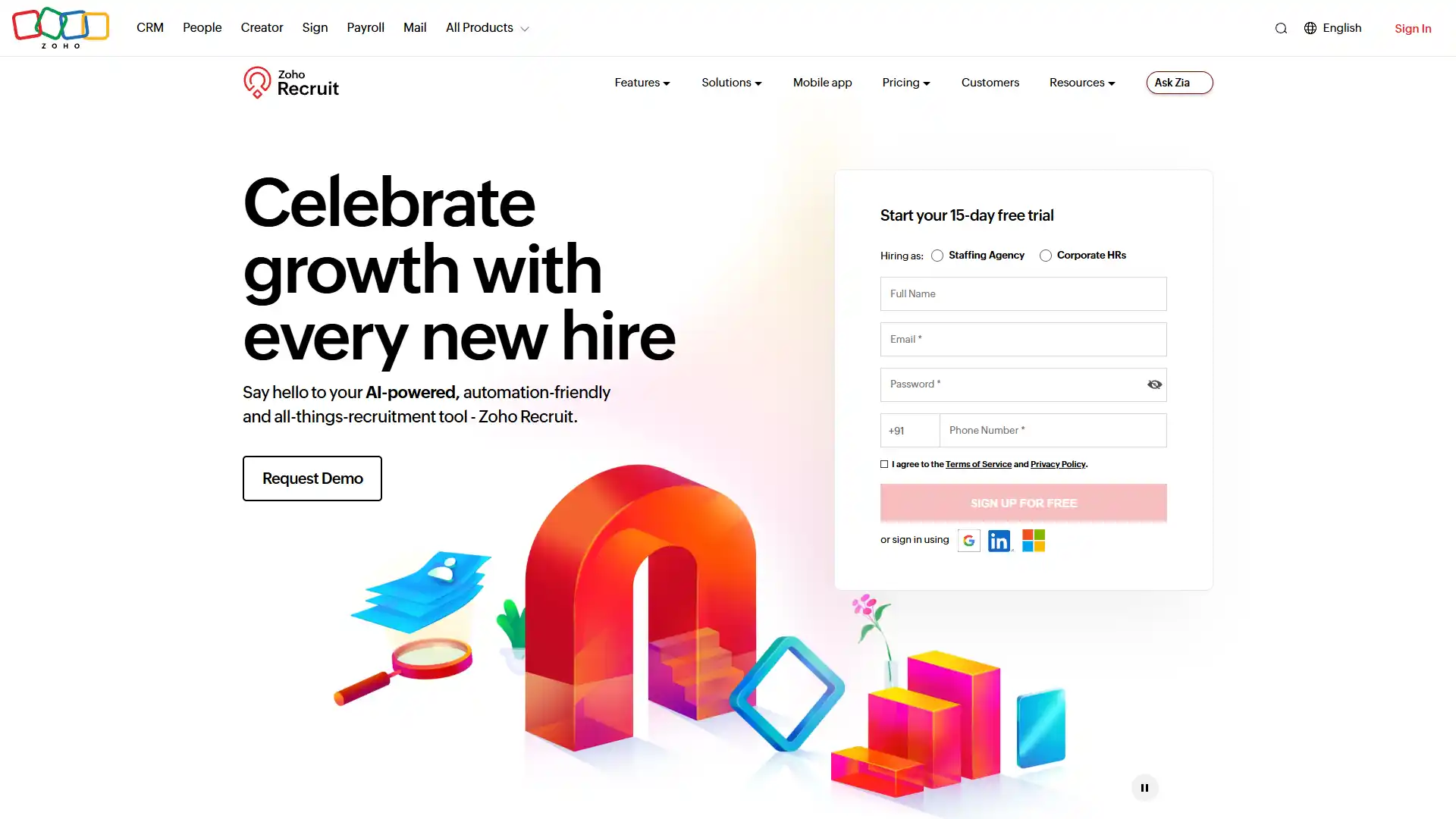
3. Zoho Recruit
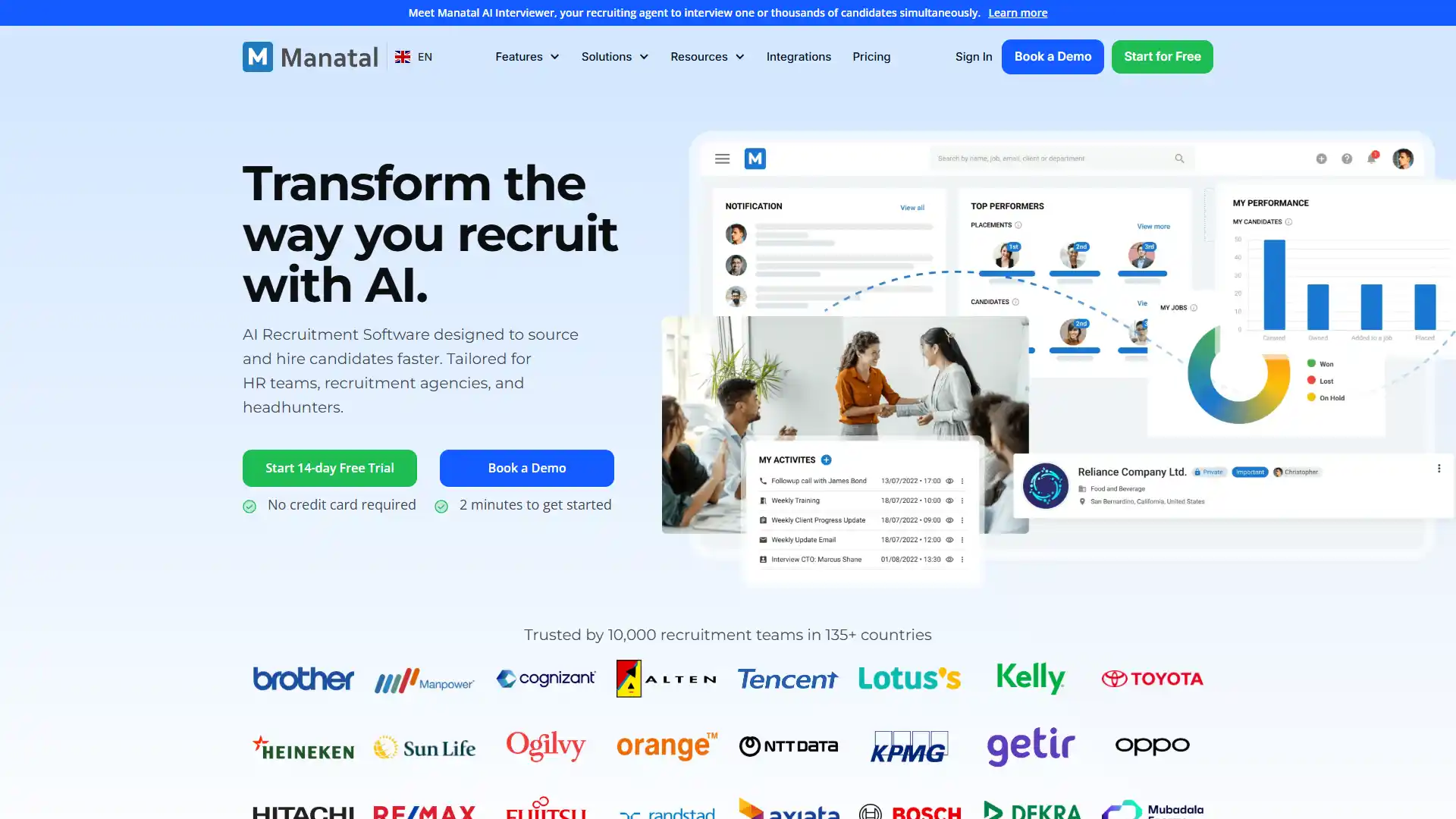
4. Manatal
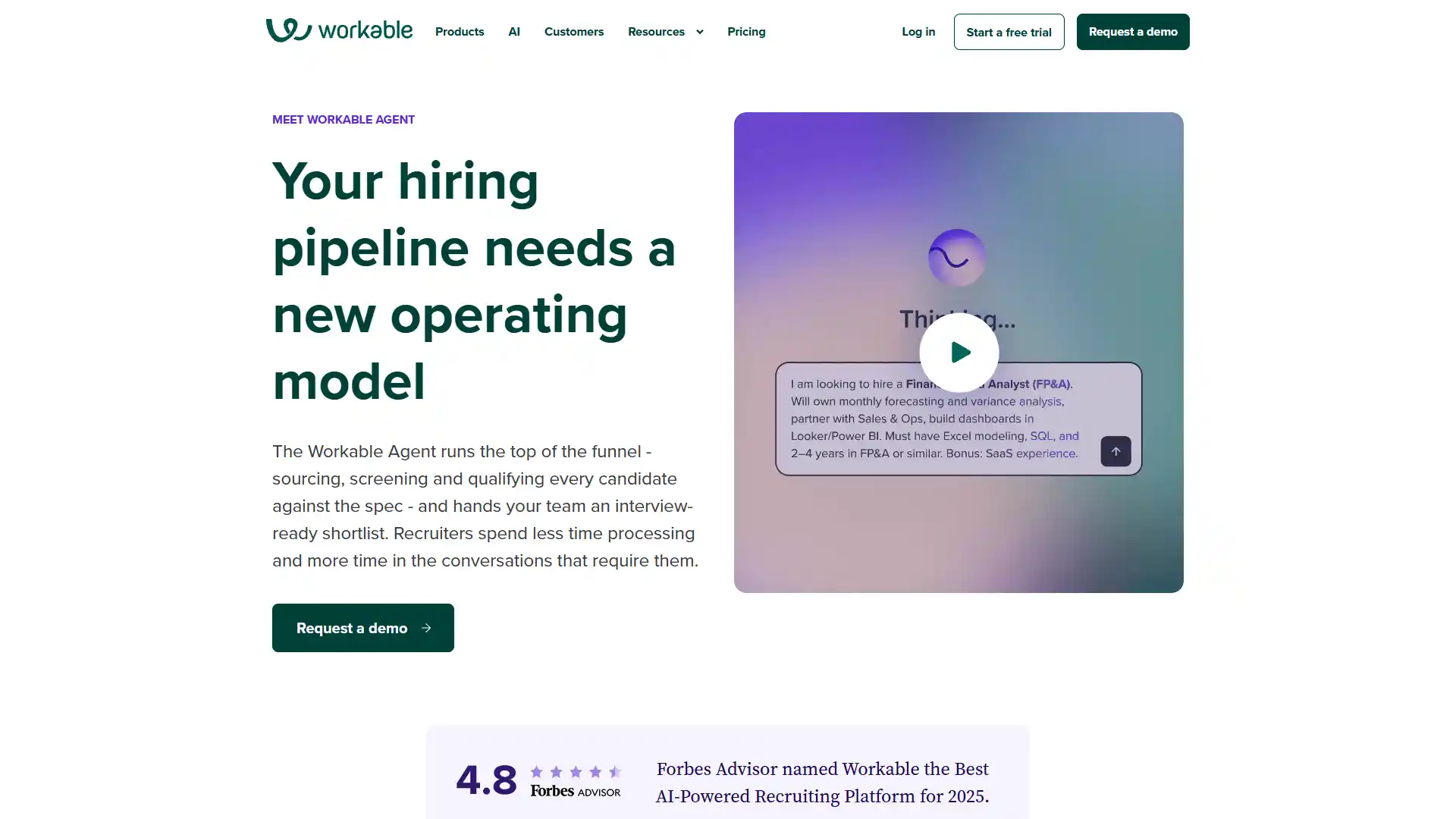
5. Workable
6. Tellent Recruitee
7. Recooty

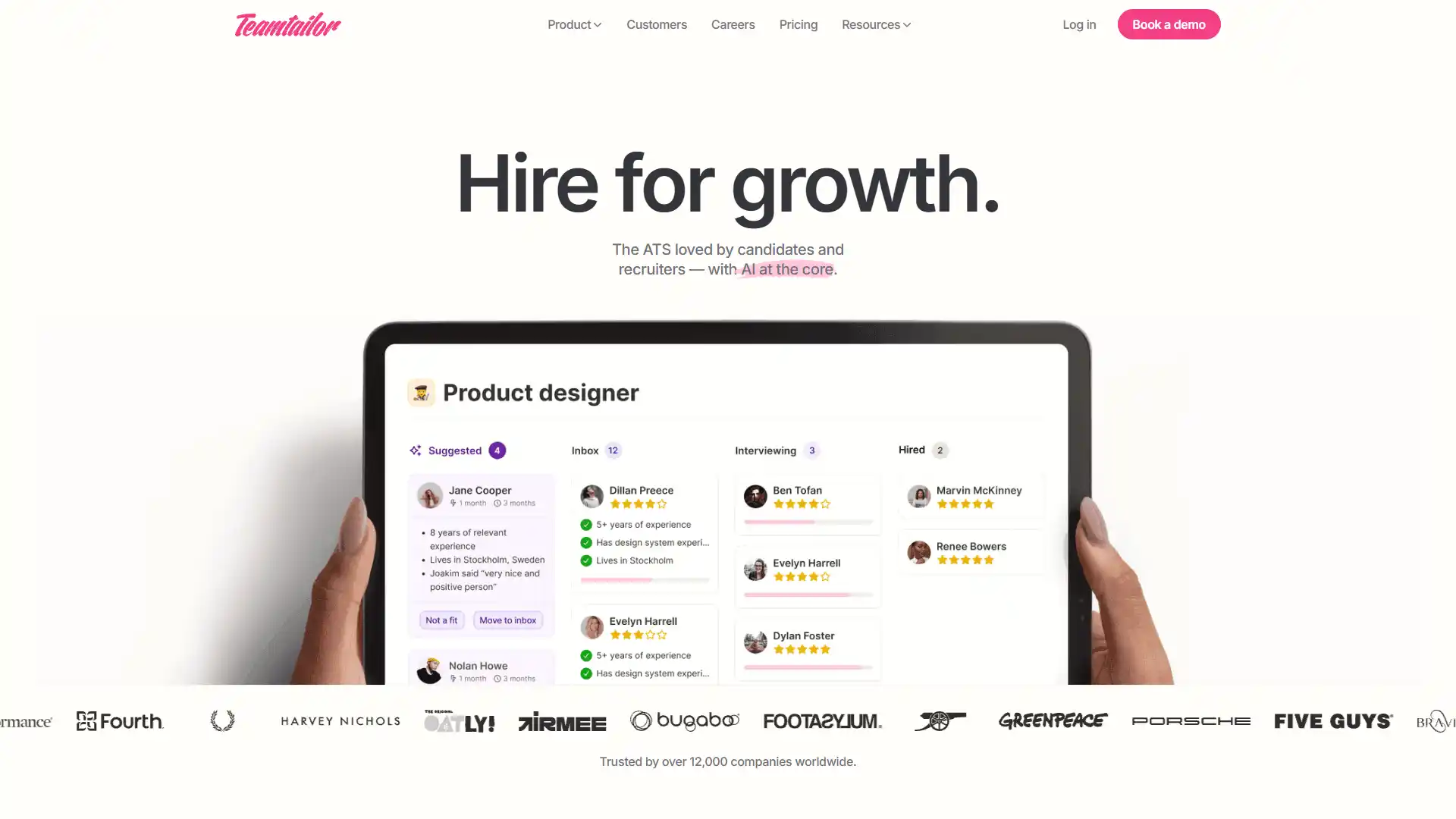
8. Teamtailor
9. Pinpoint
Best AI sourcing tools
10. Juicebox (PeopleGPT)
11. hireEZ
12. SeekOut
13. Gem
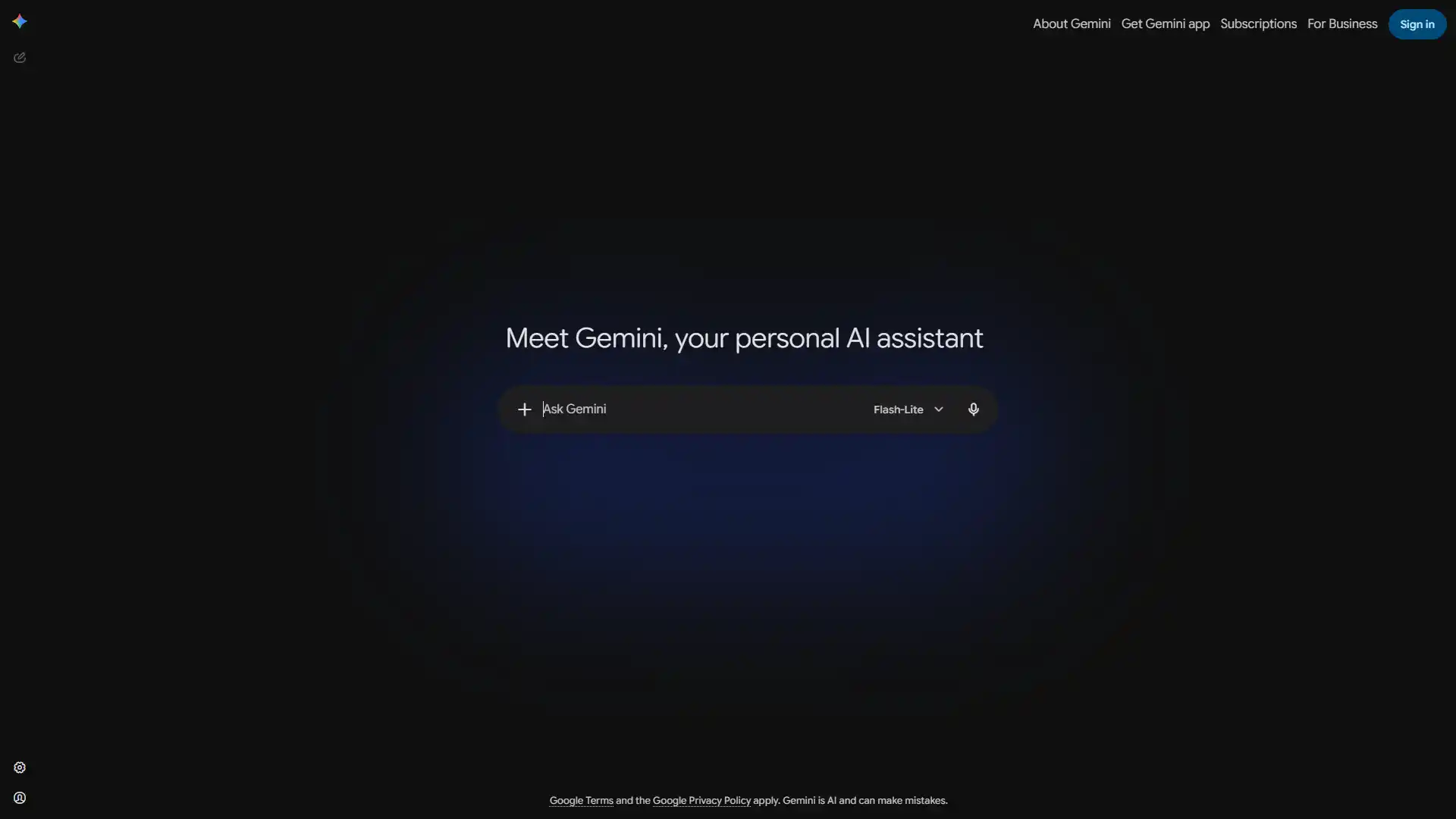
14. Fetcher
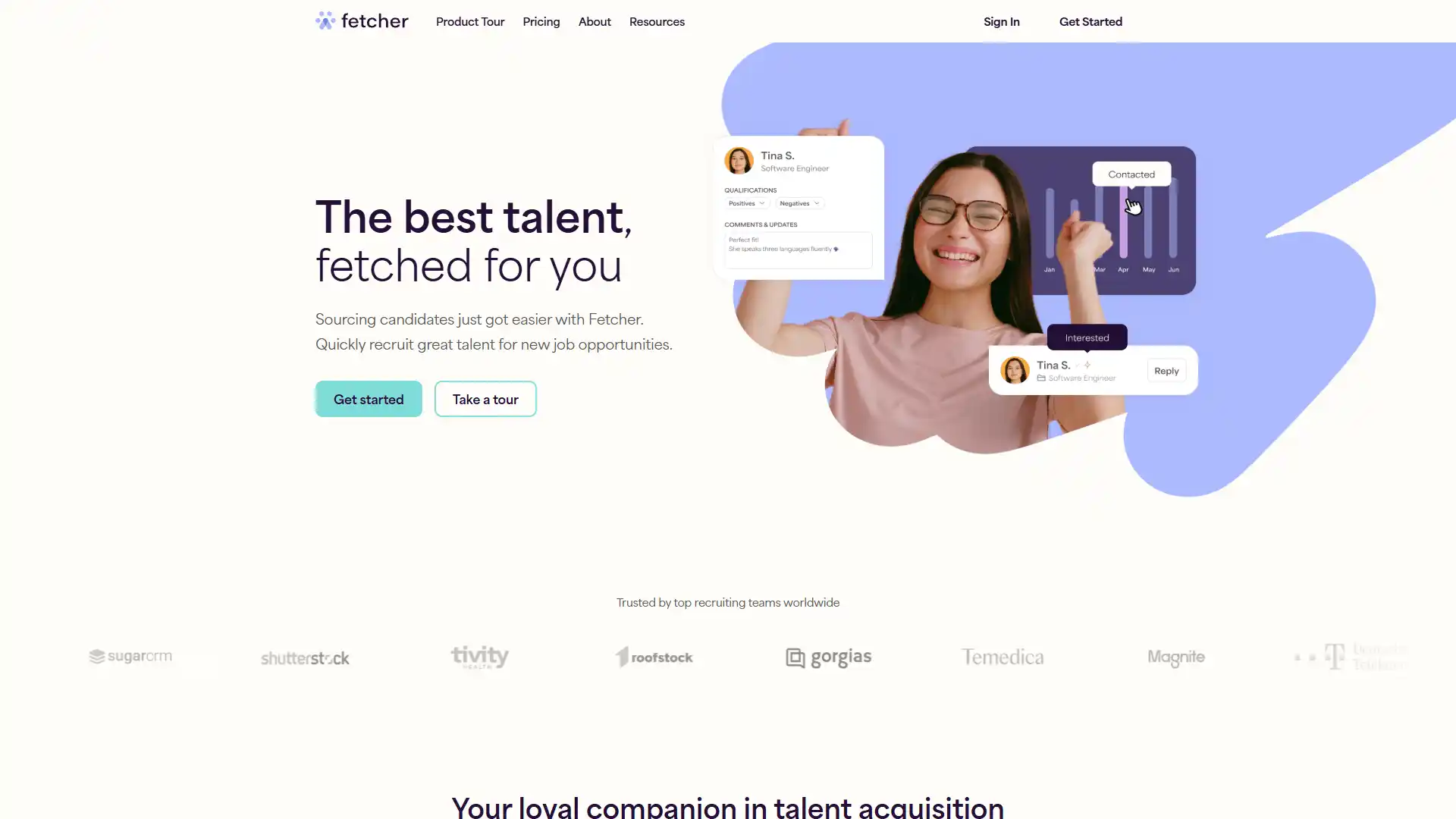
15. Findem
16. TurboHire
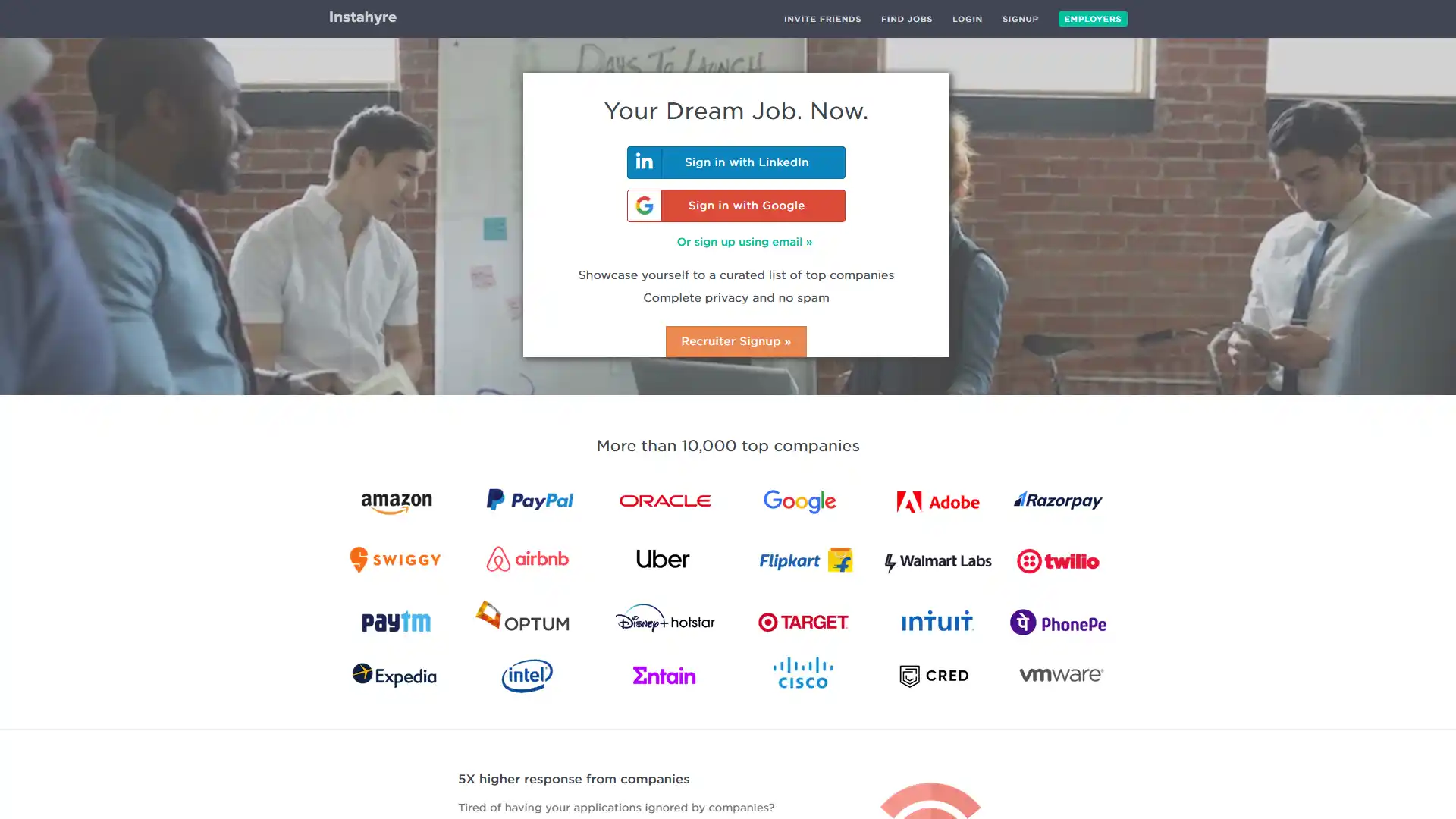
17. Instahyre
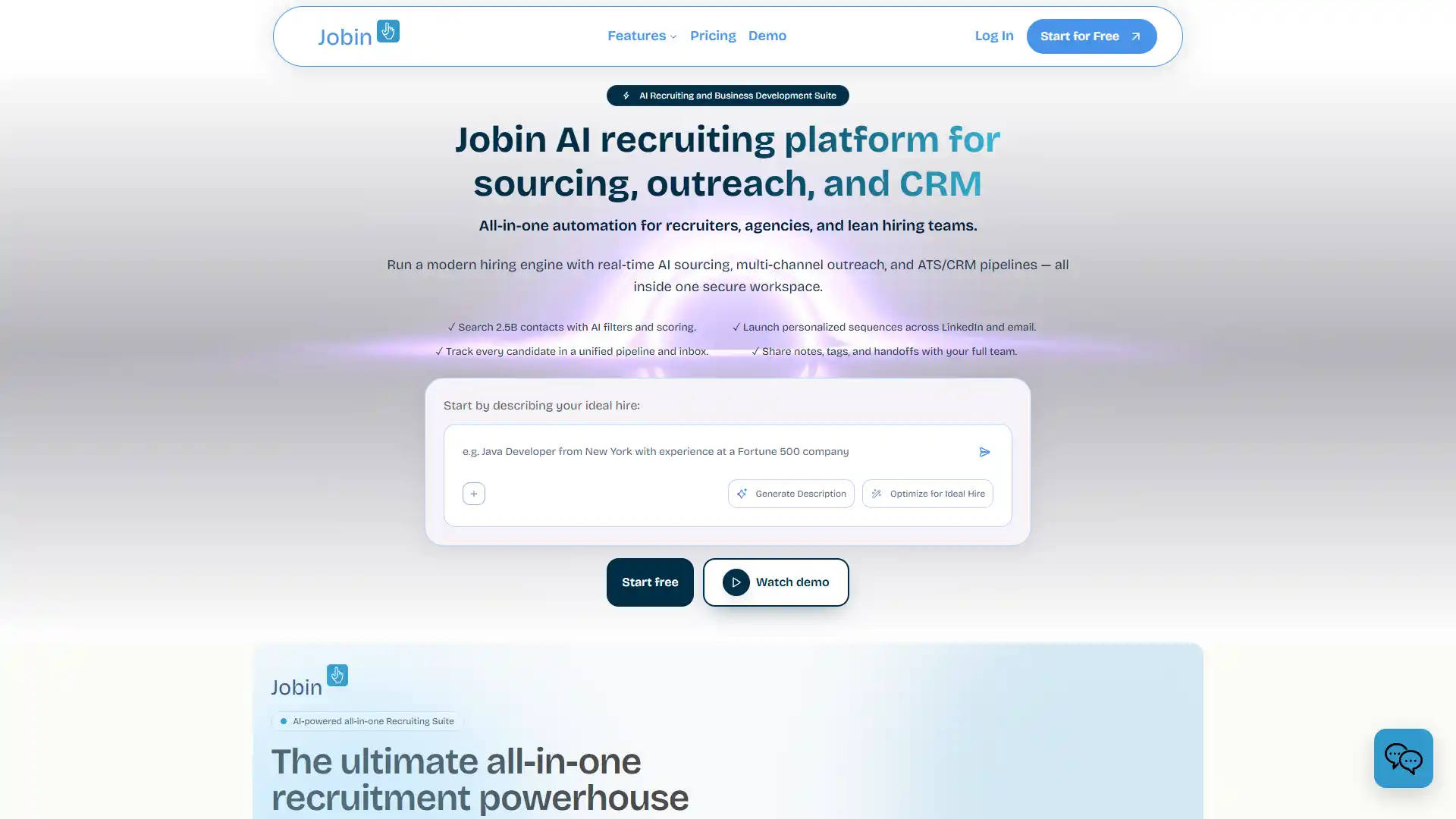
18. Jobin.cloud
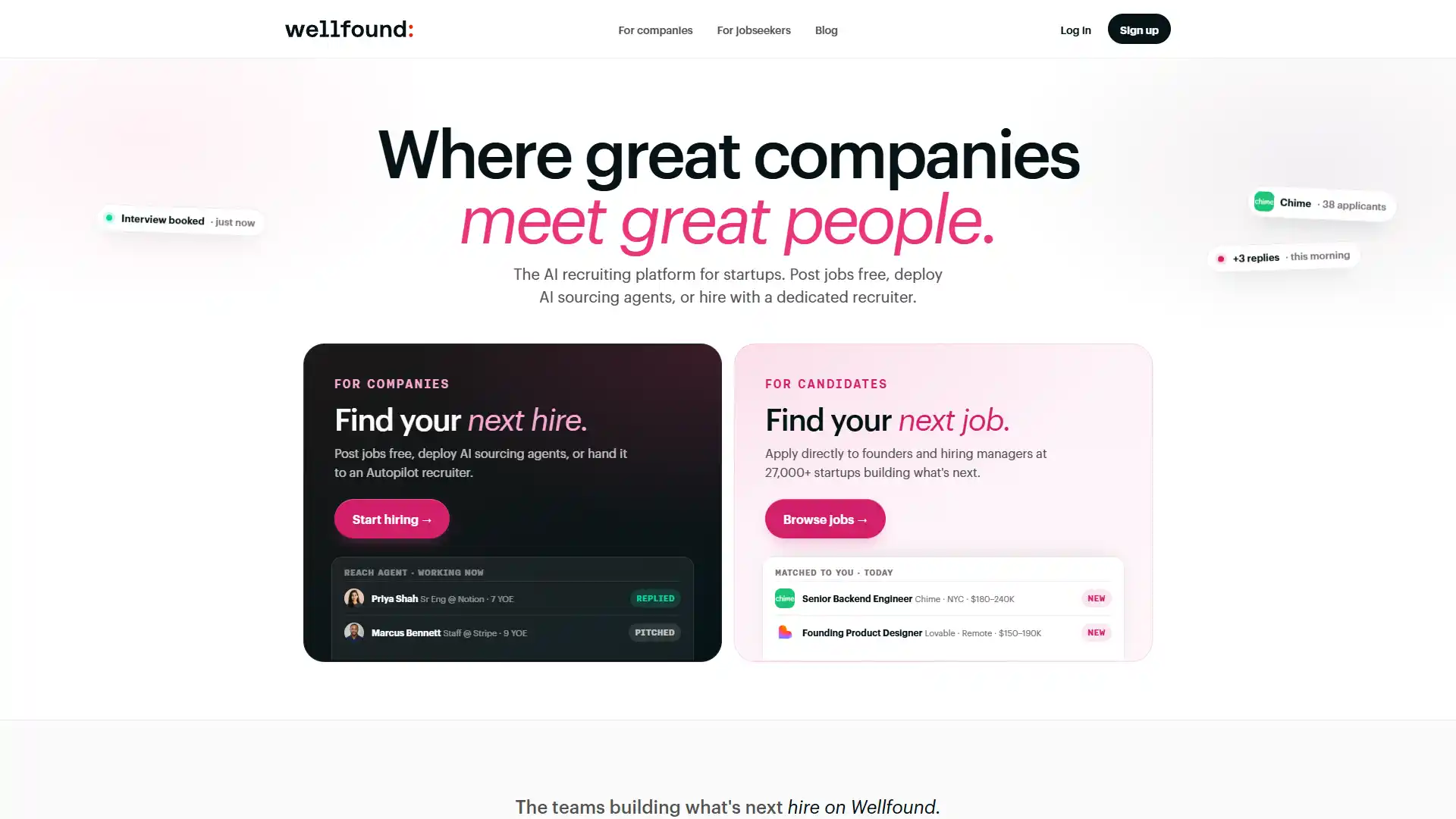
19. Wellfound (formerly AngelList Talent)
Best AI interview and screening tools
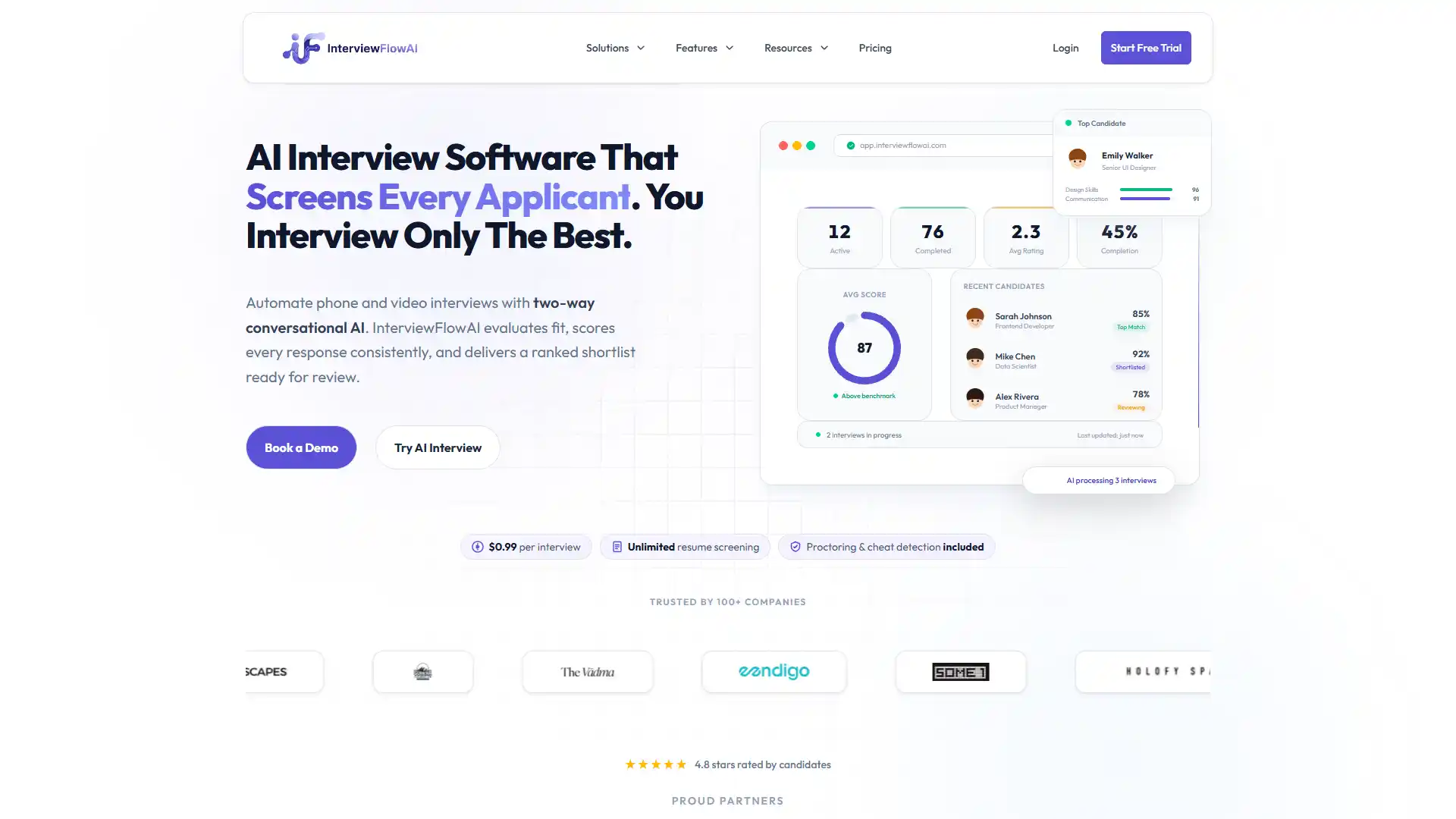
20. InterviewFlowAI
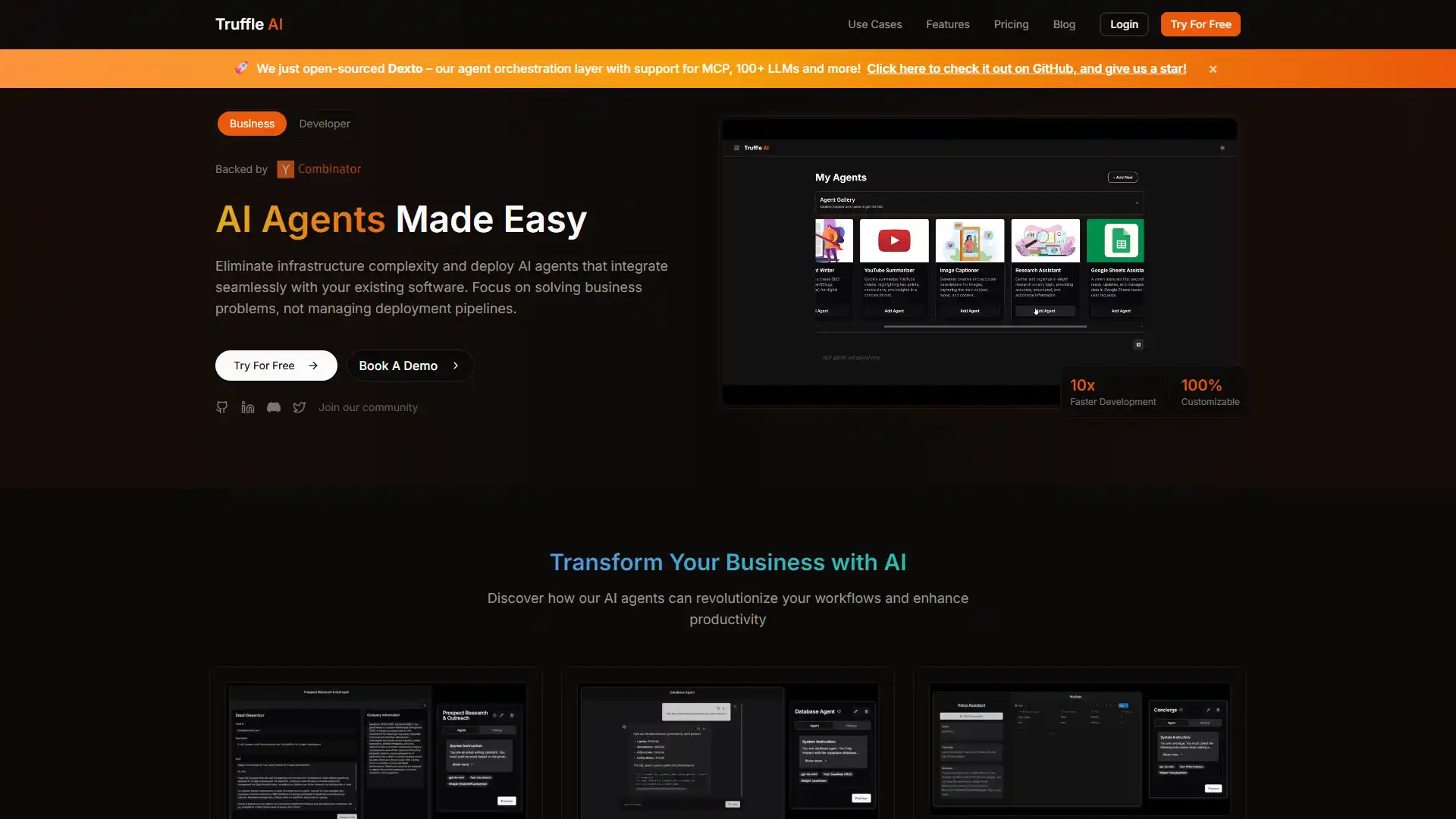
21. Truffle
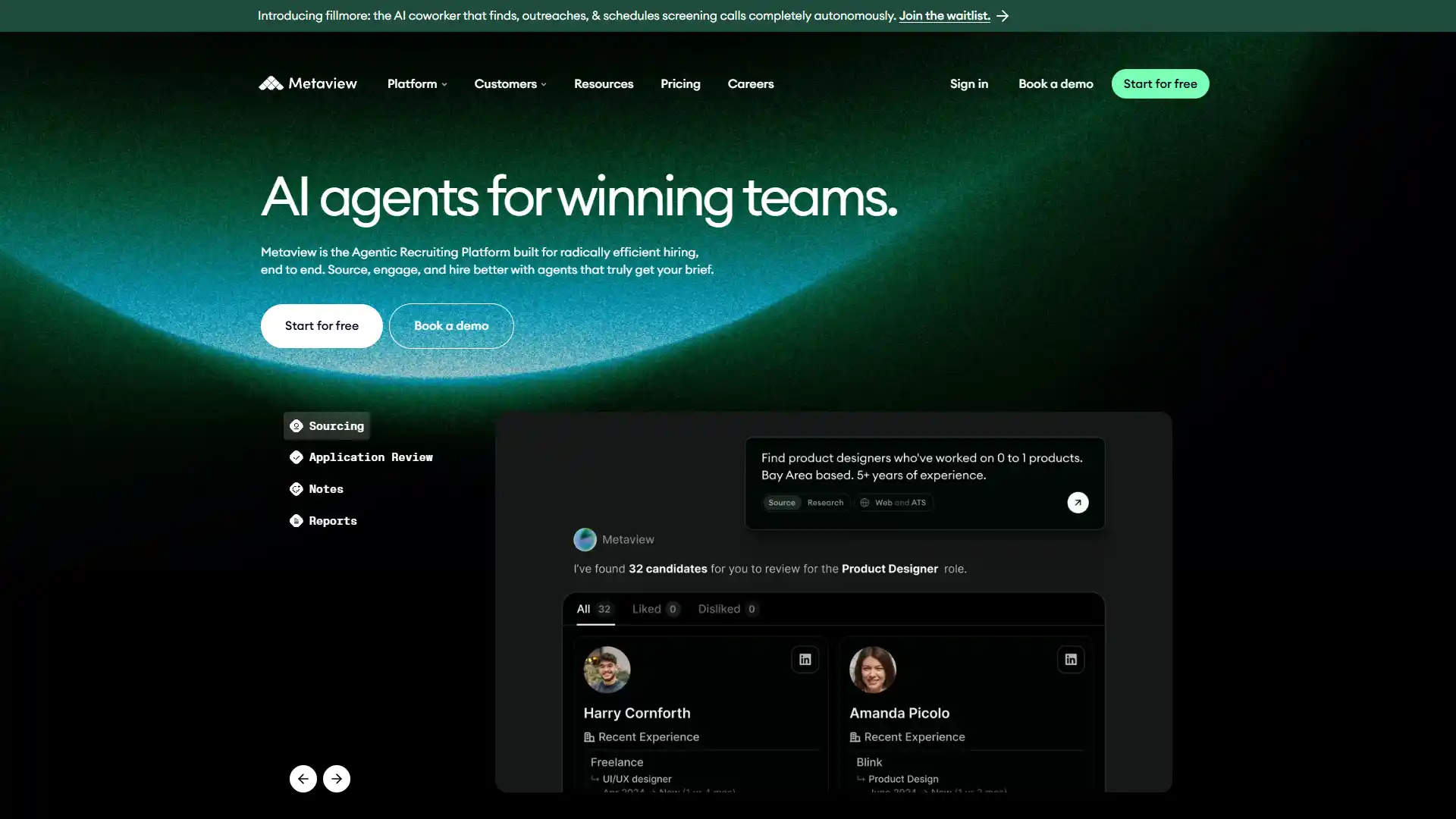
22. Metaview
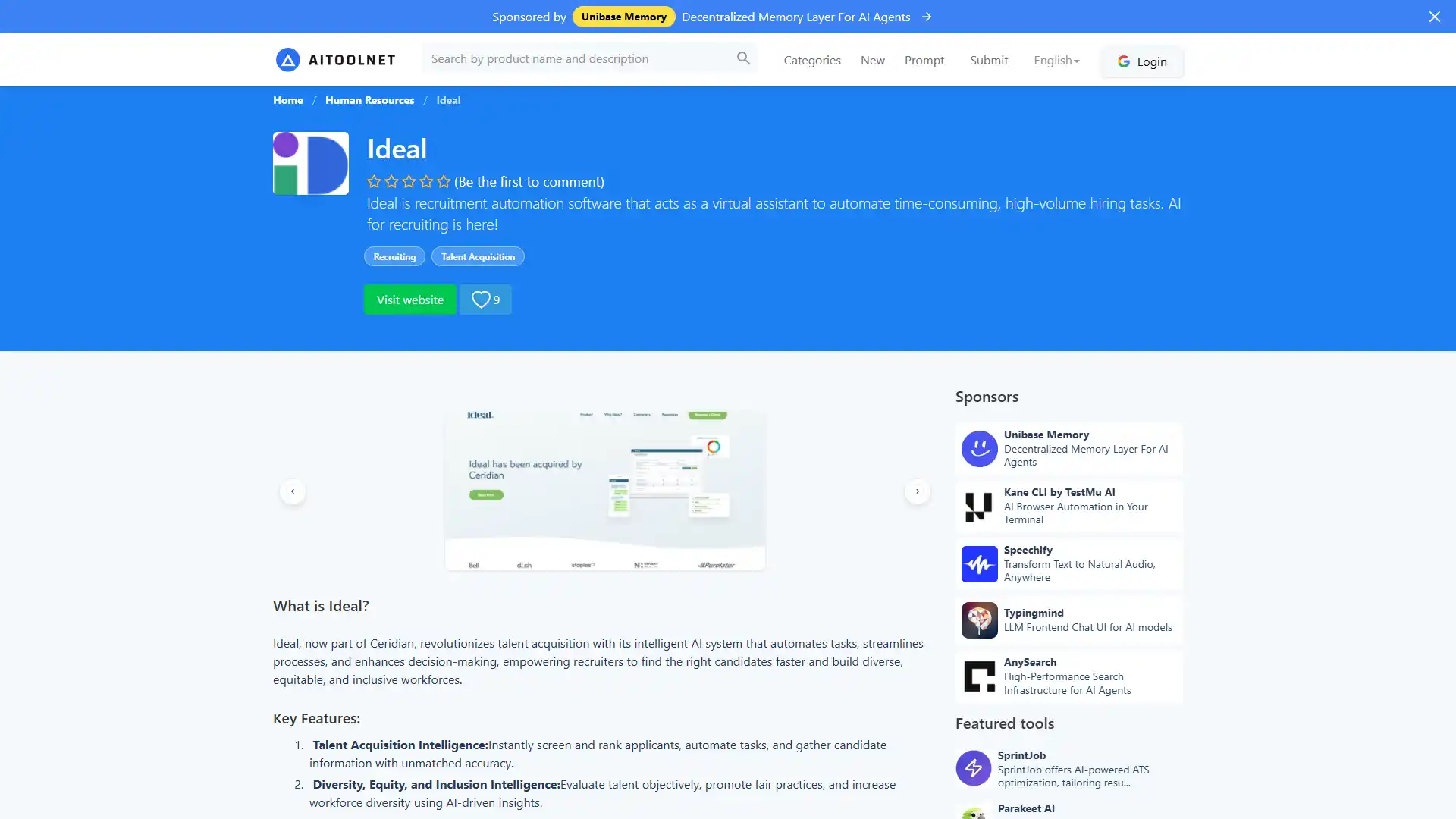
23. Ideal (Ceridian)
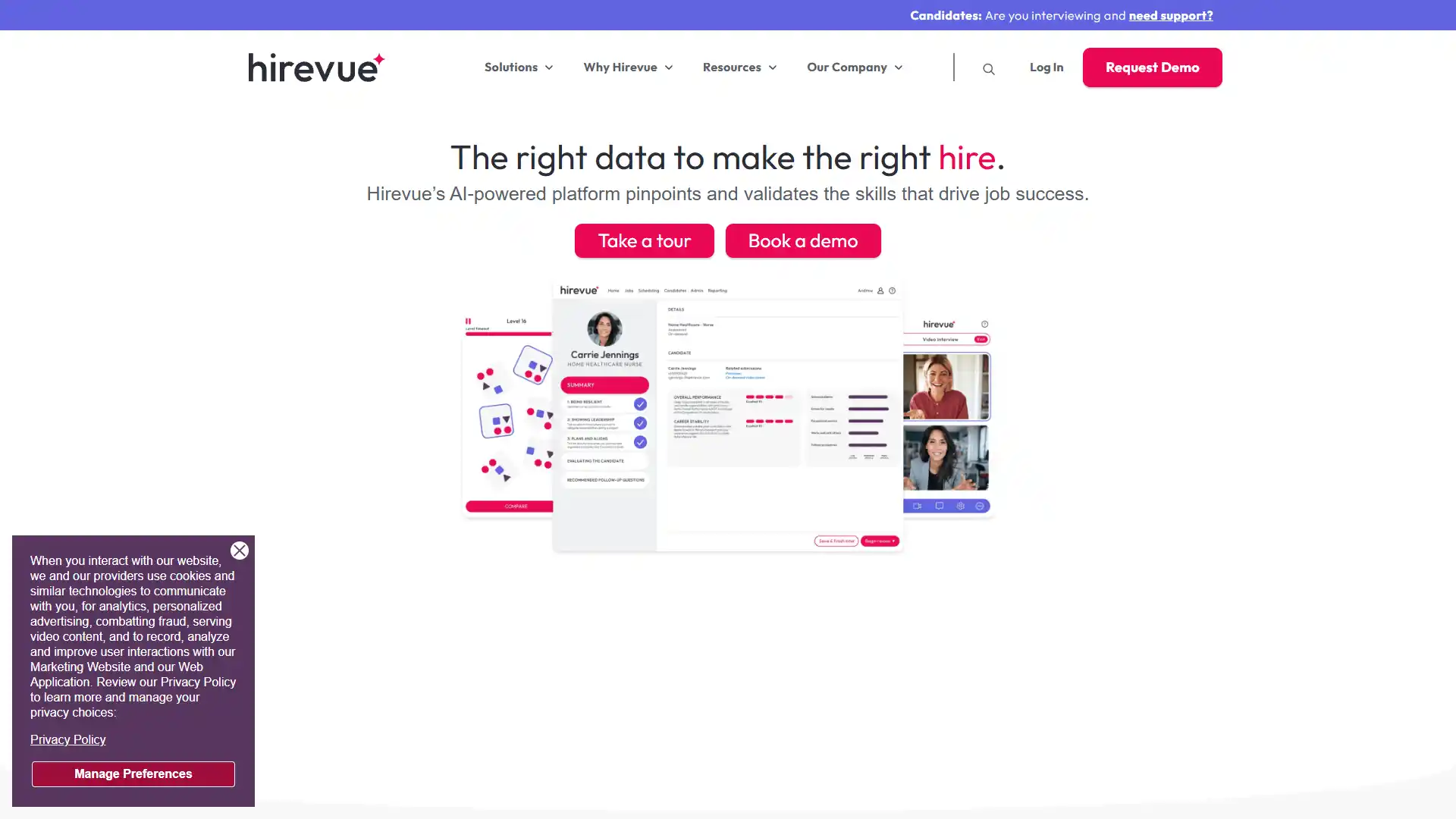
24. HireVue
25. Paradox (Olivia)
26. Humanly
27. Braintrust
28. Canditech
29. Vervoe
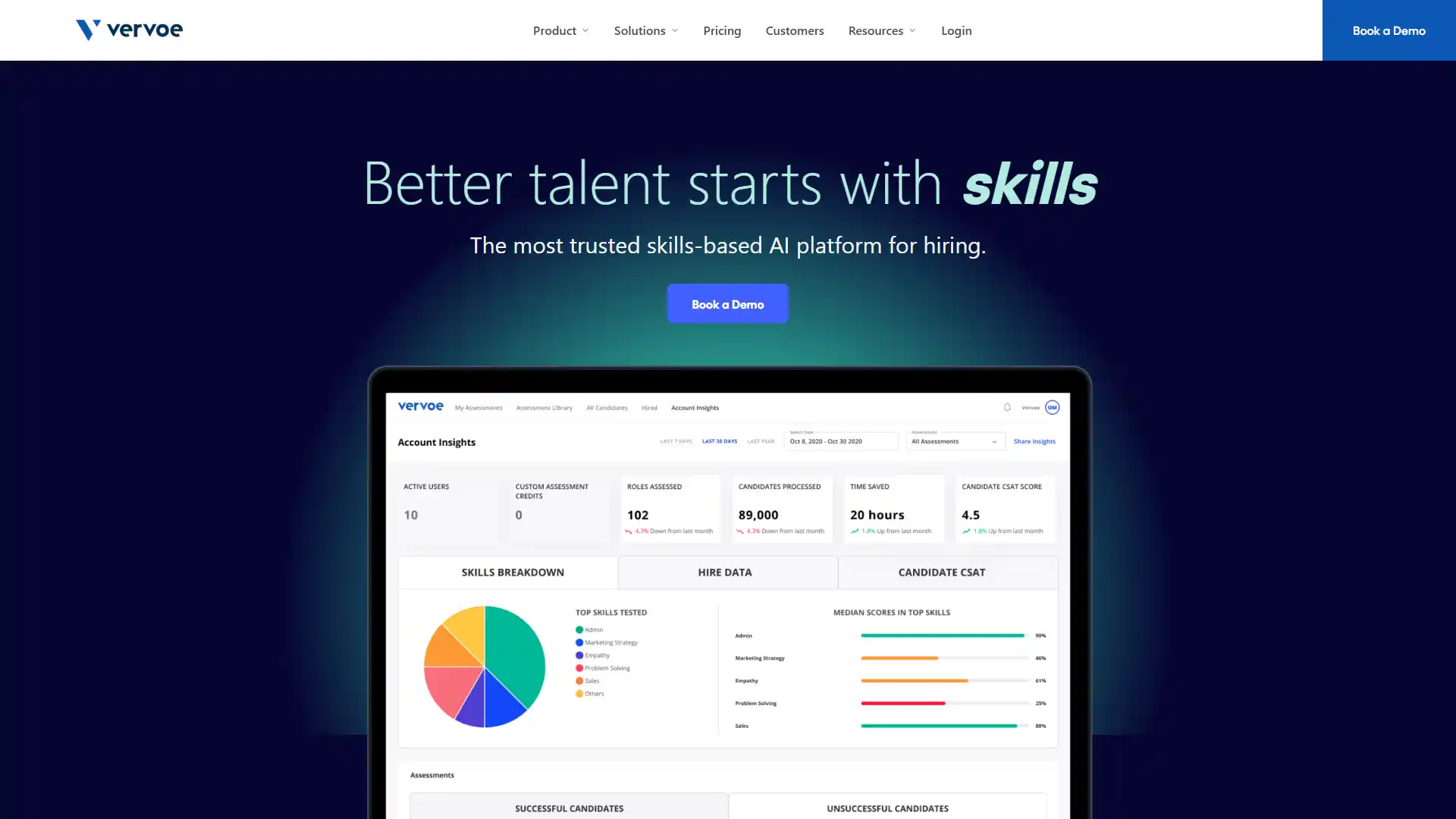
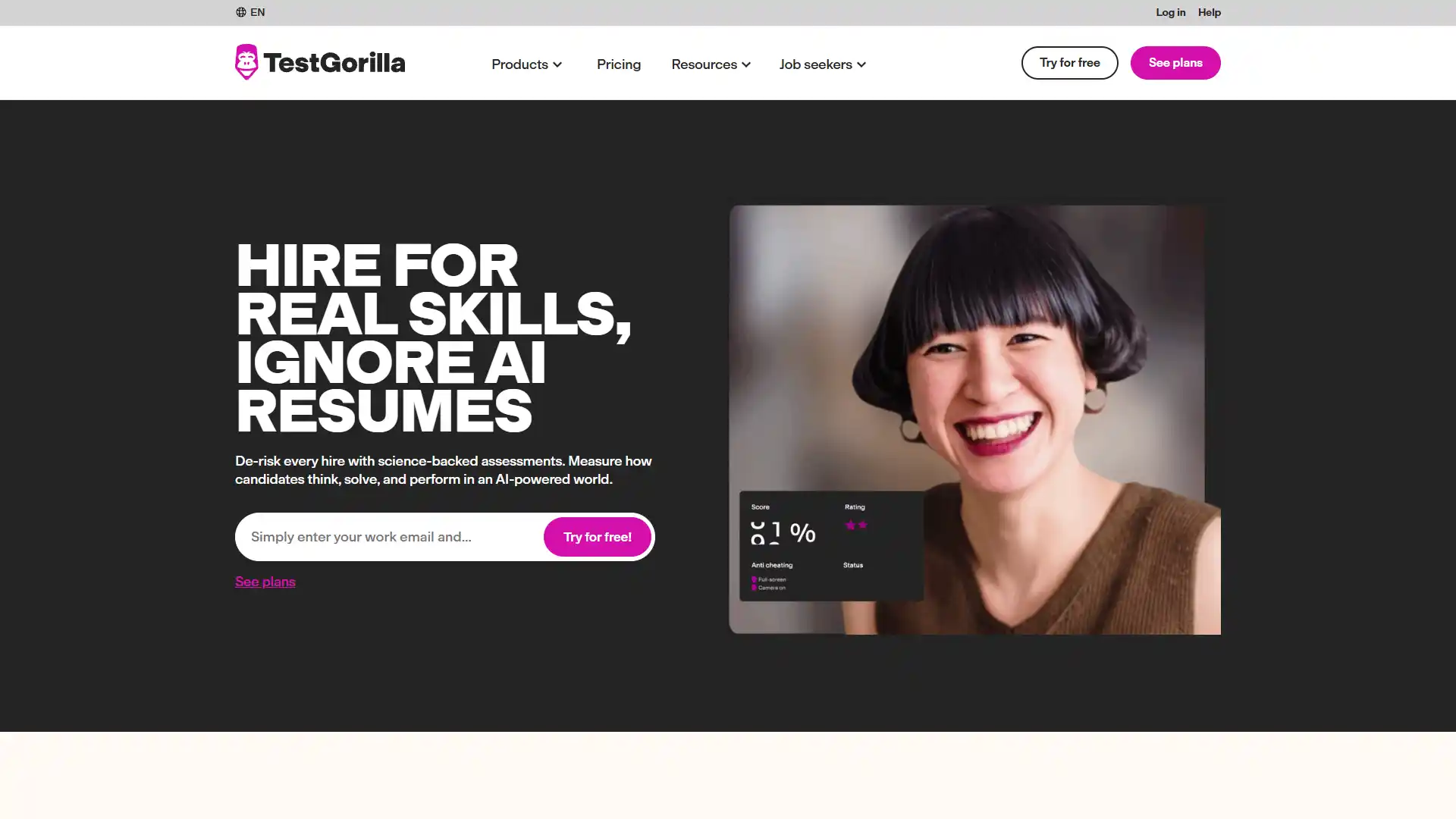
30. TestGorilla
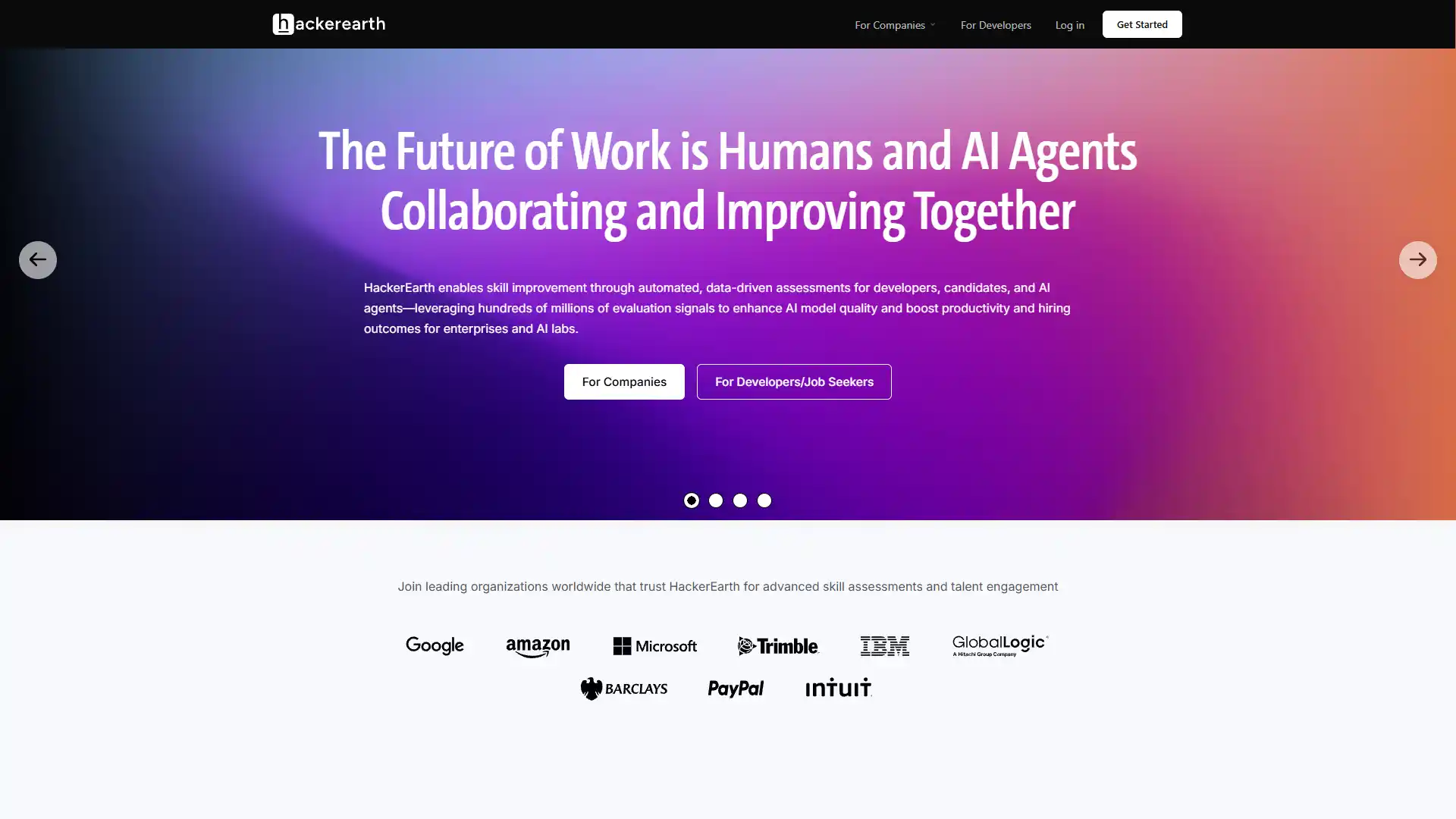
31. HackerEarth
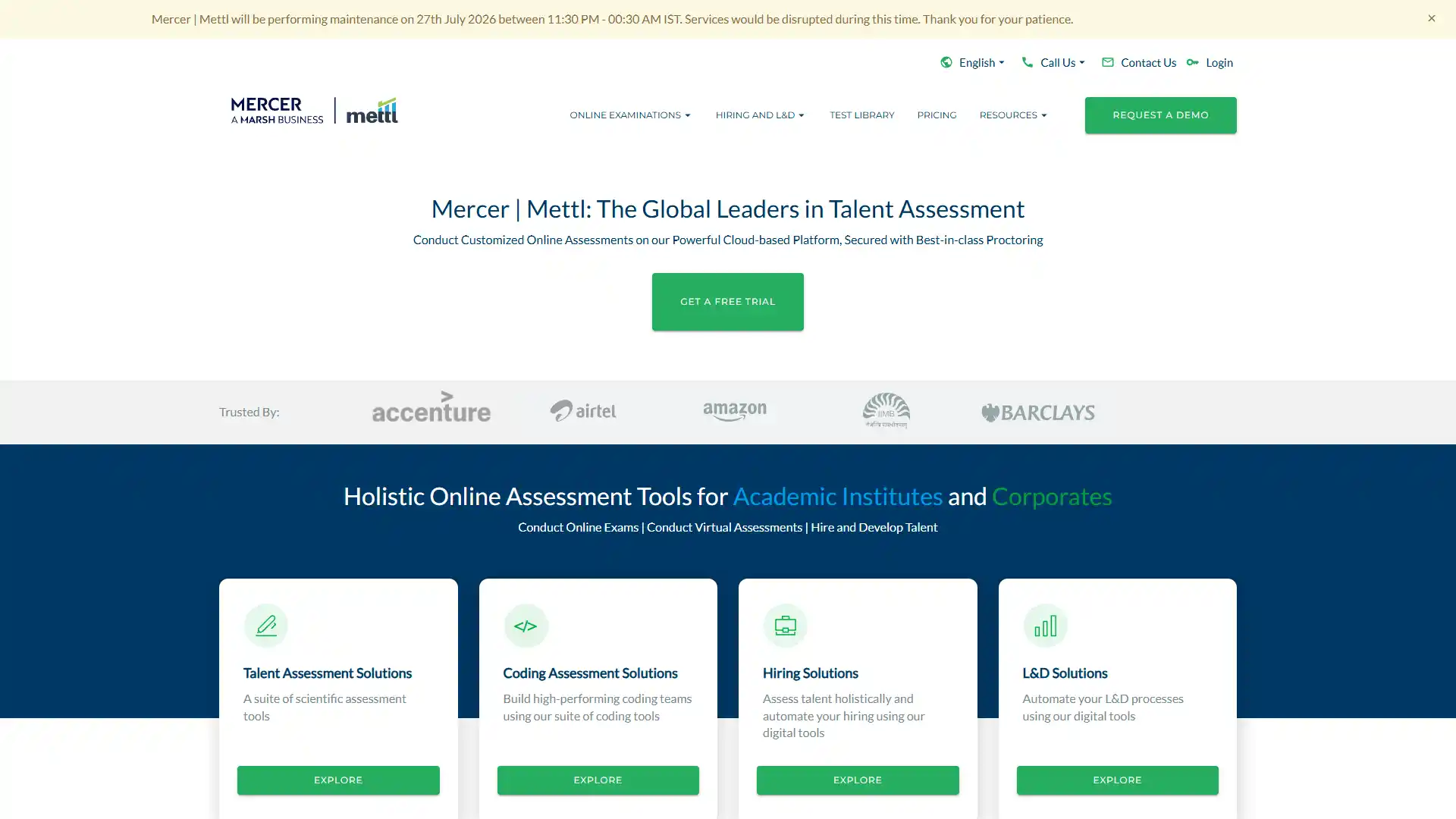
32. Mercer Mettl
33. SHL
Best AI tools for staffing agencies and search firms
34. Recruiterflow
35. Recruit CRM
36. Arc.dev
Best AI tools for enterprise and skills-based hiring
37. Eightfold AI
38. iCIMS
39. ClearCompany
40. Textio (Textio Loop)
Best niche and specialized AI tools
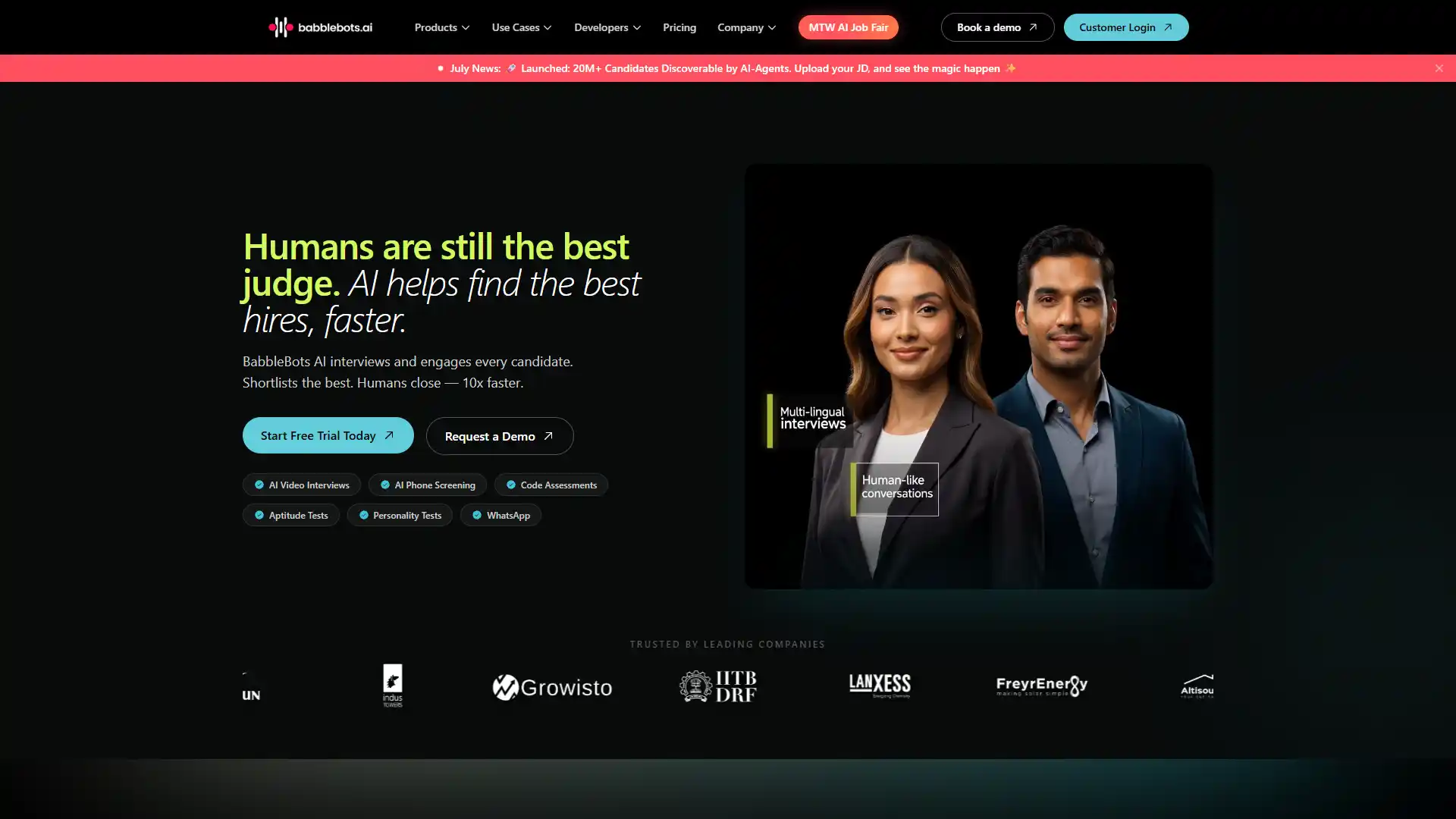
41. BabbleBots
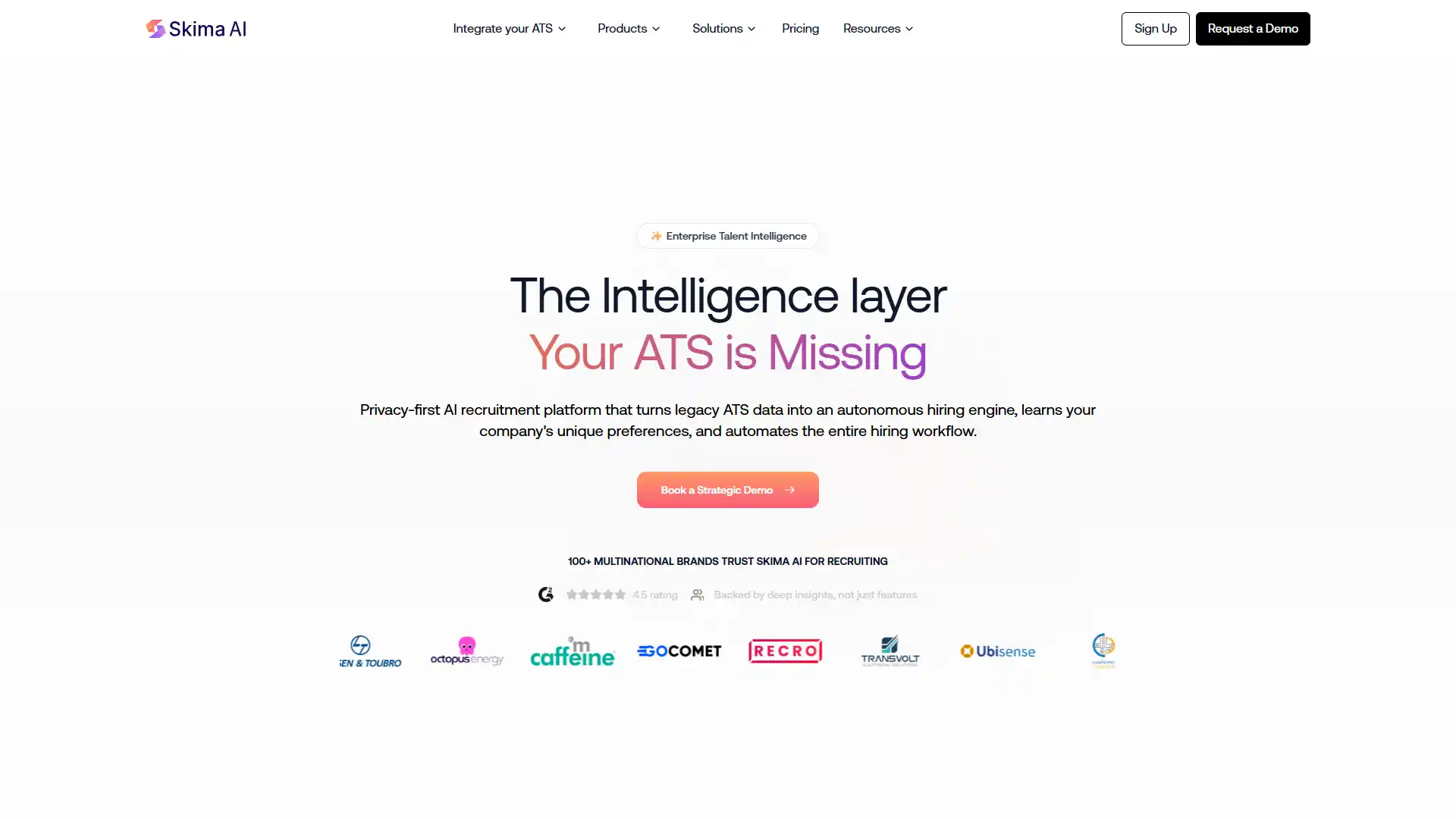
42. Skima AI
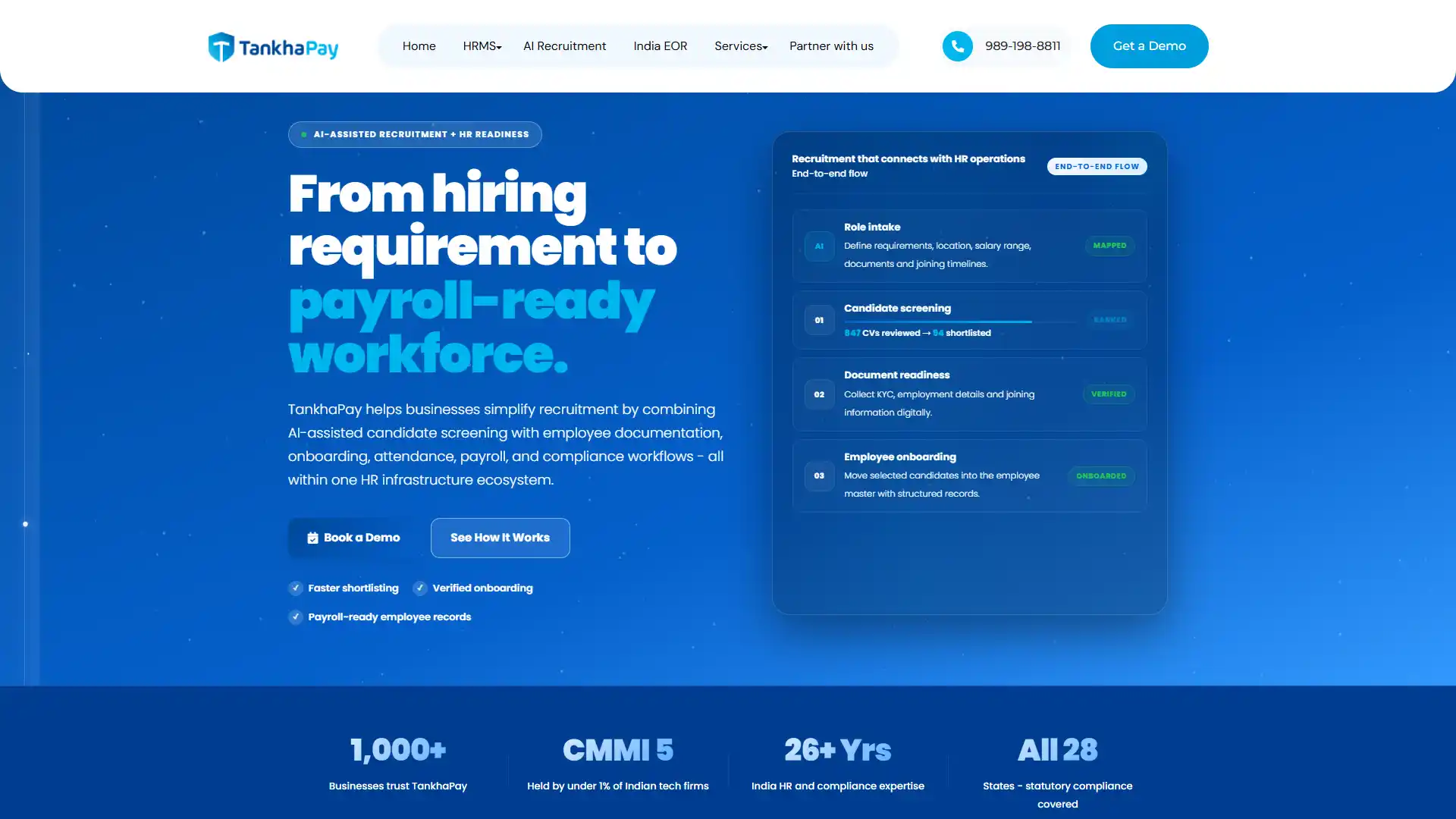
43. TankhaPay
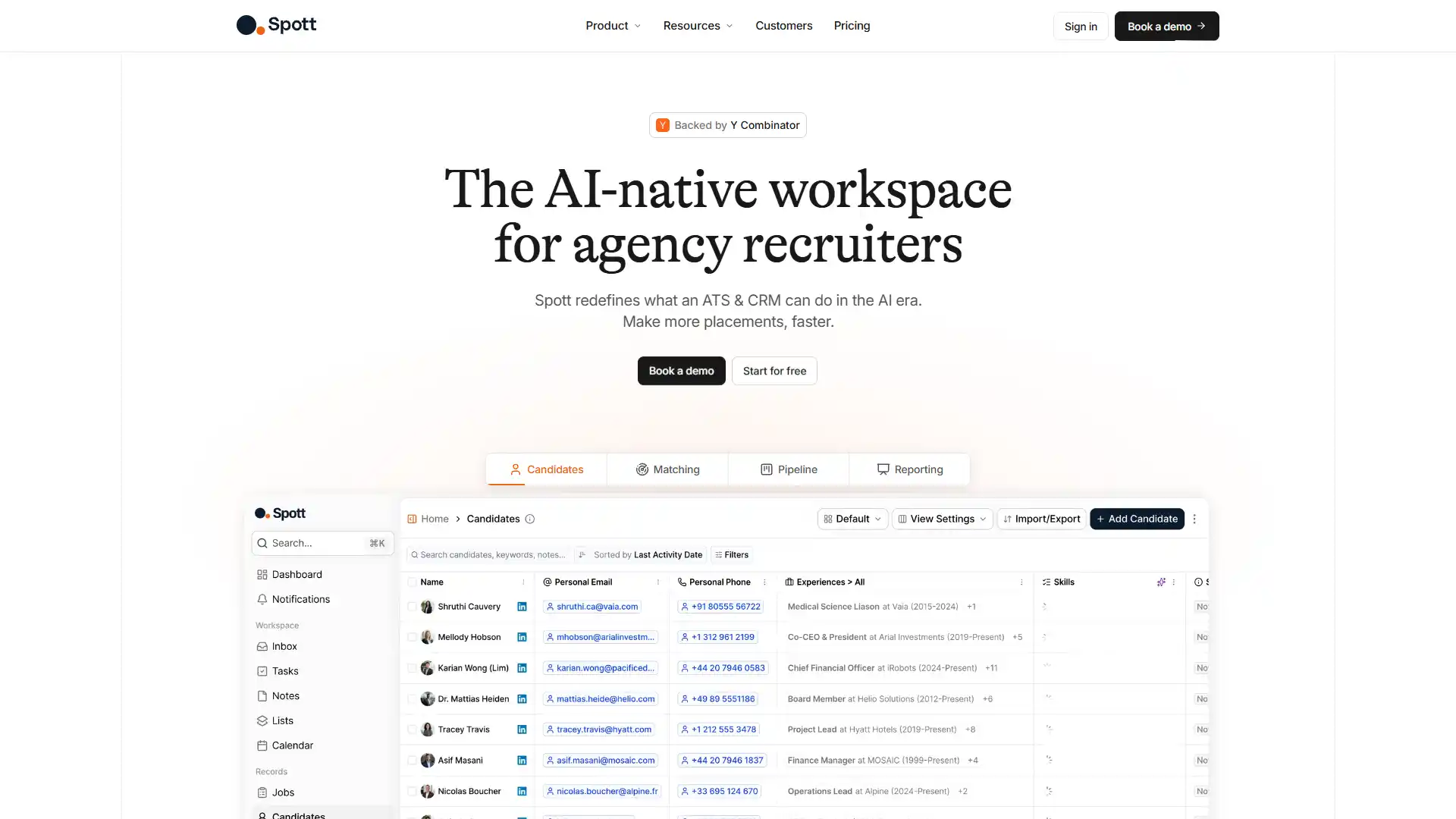
44. Spott
45. Zapier (AI Agents)
46. Checkr
47. Ezra (now part of Greenhouse)
48. Granola
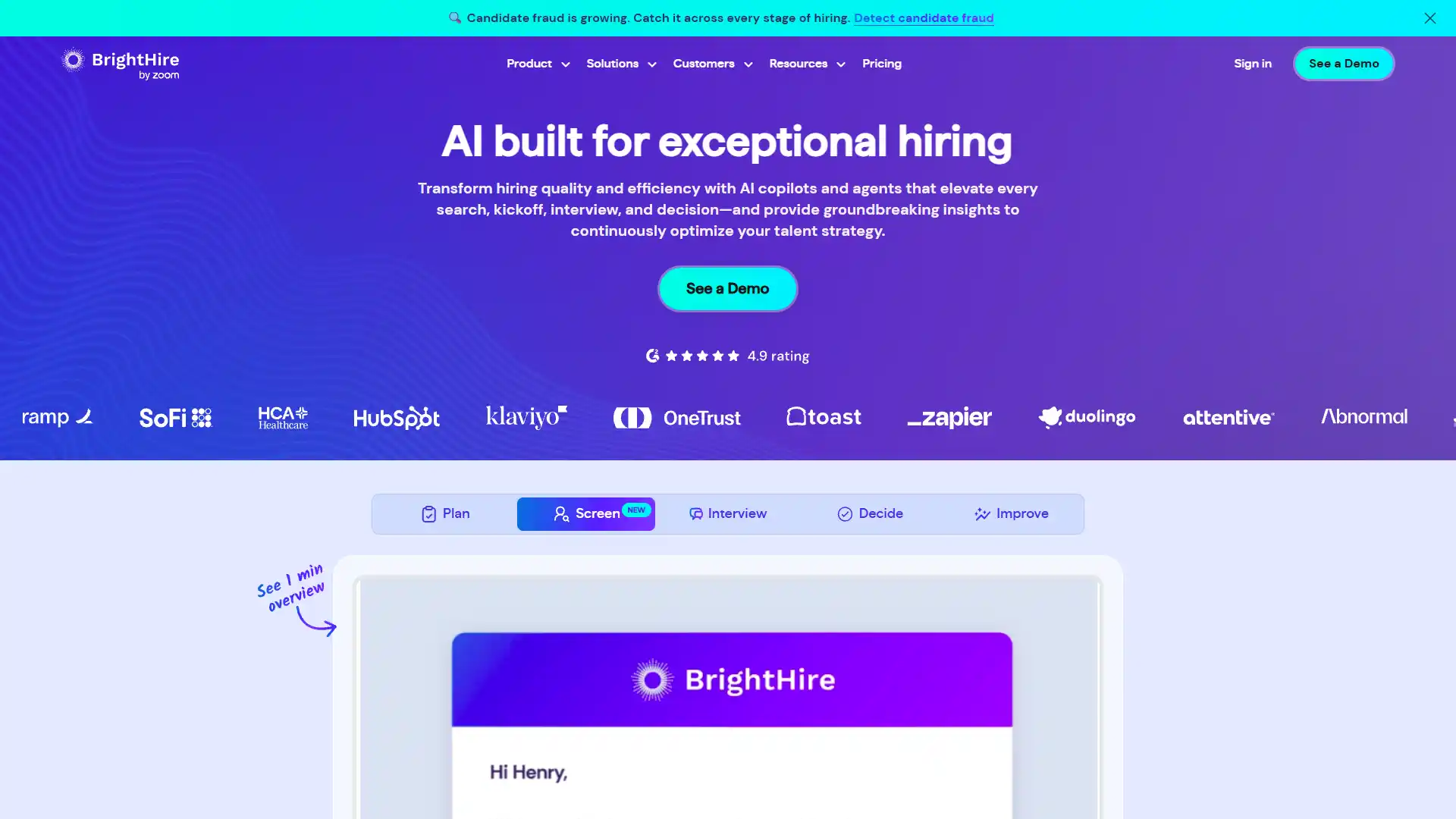
49. BrightHire
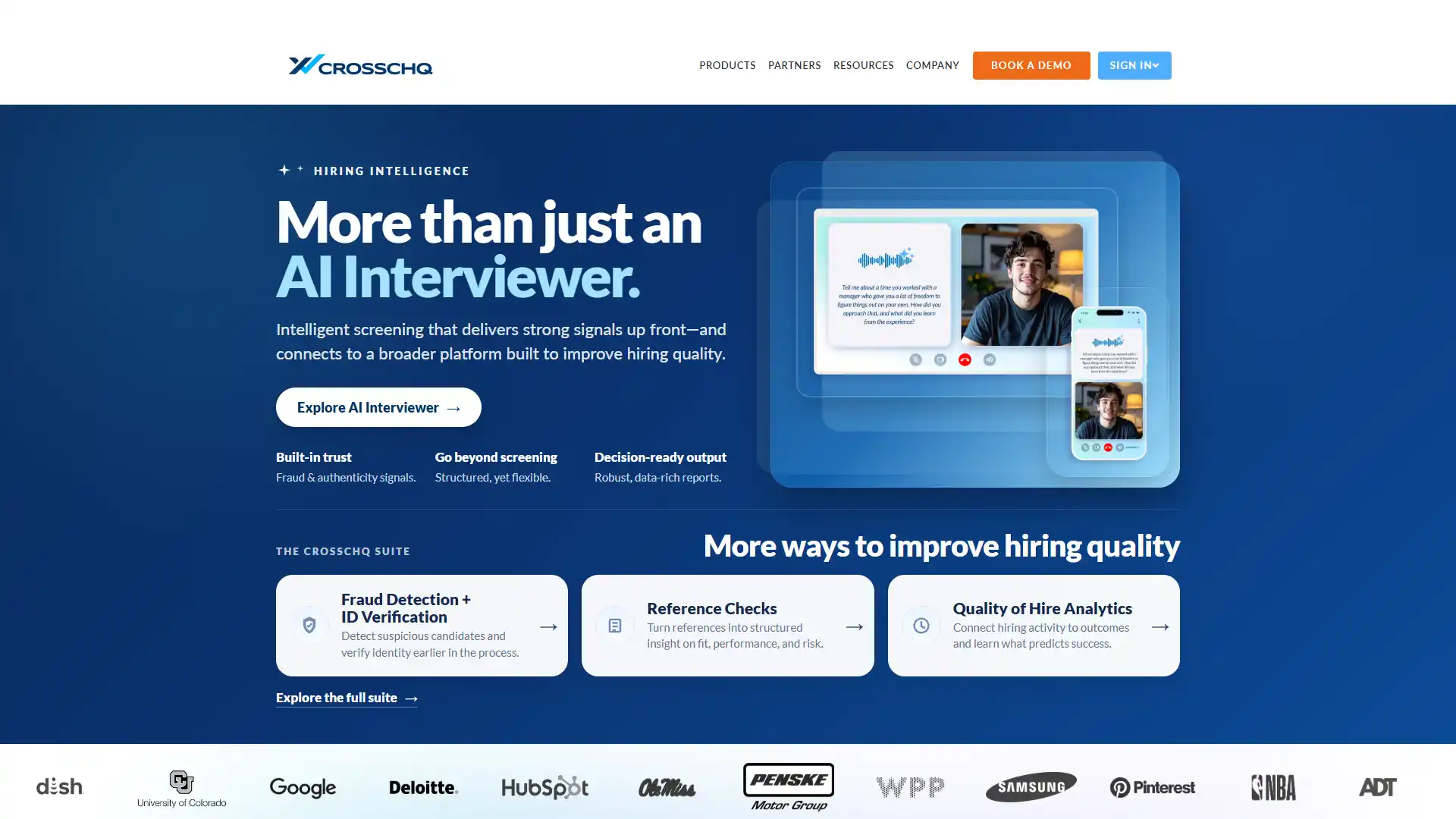
50. Crosschq
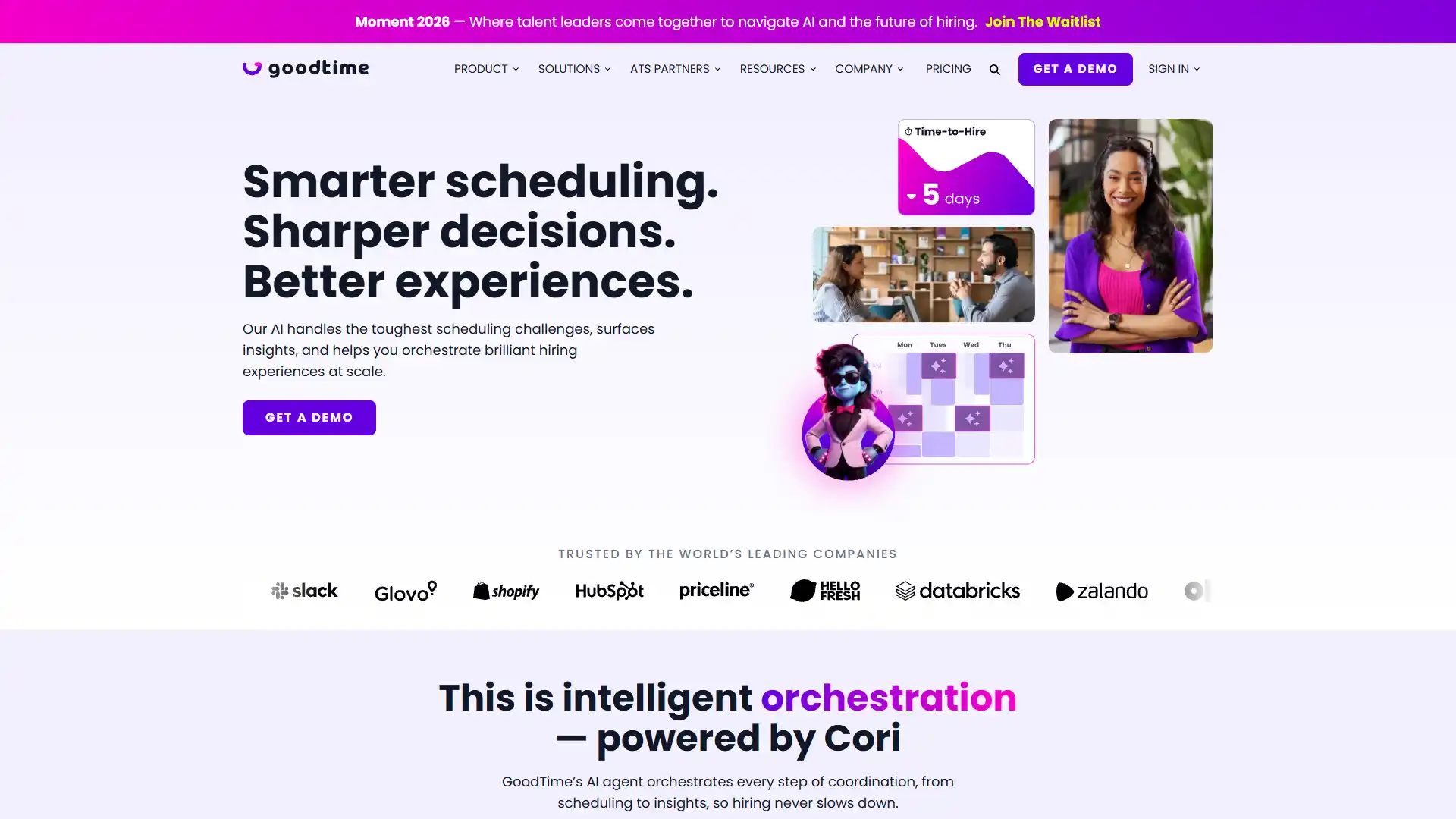
51. GoodTime
Quick comparison table: all 51 tools at a glance
| # | Tool | Category | Best for | Pricing signal |
|---|---|---|---|---|
| 1 | Greenhouse | All-in-one ATS | Structured enterprise hiring | ~$6,000/yr custom |
| 2 | Workday Recruiting | All-in-one ATS | Workday-standardized enterprises | Custom |
| 3 | Zoho Recruit | All-in-one ATS | Budget SMBs | From $25/user/mo, free plan |
| 4 | Manatal | All-in-one ATS | Fast-growing startups | From $15/user/mo |
| 5 | Workable | All-in-one ATS | Mid-market | From $299/mo |
| 6 | Tellent Recruitee | All-in-one ATS | Collaborative teams | Not disclosed |
| 7 | Recooty | All-in-one ATS | Micro/small business | Affordable, not disclosed |
| 8 | Teamtailor | All-in-one ATS | Employer branding | ~$229-$400/mo |
| 9 | Pinpoint | All-in-one ATS | Candidate experience | Not disclosed |
| 10 | Juicebox | Sourcing | Natural-language sourcing | From $119/user/mo |
| 11 | hireEZ | Sourcing | DEI-focused sourcing | ~$169-$450/user/mo |
| 12 | SeekOut | Sourcing | Technical/diversity sourcing | $999-$4,990/yr |
| 13 | Gem | Sourcing | Sourcing plus nurture | From $135/mo |
| 14 | Fetcher | Sourcing | Human-curated sourcing | Not disclosed |
| 15 | Findem | Sourcing | Executive search | Seat-based, not disclosed |
| 16 | TurboHire | Sourcing | Legacy HRMS overlay | Contact sales |
| 17 | Instahyre | Sourcing | Indian tech sourcing | Not disclosed |
| 18 | Jobin.cloud | Sourcing | LinkedIn-first sourcing | Not disclosed |
| 19 | Wellfound | Sourcing | Startup hiring | Not disclosed |
| 20 | InterviewFlowAI | Interview/screening | Ultra-cheap screening | $0.99/interview |
| 21 | Truffle | Interview/screening | Explainable screening | From $49/mo |
| 22 | Metaview | Interview/screening | Interview intelligence | From $60/mo, free tier |
| 23 | Ideal (Ceridian) | Interview/screening | Resume parsing at scale | Custom |
| 24 | HireVue | Interview/screening | Enterprise video assessment | ~$35,000+/yr historically |
| 25 | Paradox (Olivia) | Interview/screening | High-volume frontline hiring | Contact sales |
| 26 | Humanly | Interview/screening | Frontline/distributed hiring | Contact sales |
| 27 | Braintrust | Interview/screening | Technical evaluation | Not disclosed |
| 28 | Canditech | Interview/screening | Job simulations | Not disclosed |
| 29 | Vervoe | Interview/screening | Practical task evaluation | Not disclosed |
| 30 | TestGorilla | Interview/screening | Objective testing | Not disclosed |
| 31 | HackerEarth | Interview/screening | Developer evaluation | Not disclosed |
| 32 | Mercer Mettl | Interview/screening | Proctored exams | Custom |
| 33 | SHL | Interview/screening | Executive validation | Custom |
| 34 | Recruiterflow | Agency/search | Staffing agencies | $85-$99/user/mo |
| 35 | Recruit CRM | Agency/search | Small agencies | Not disclosed |
| 36 | Arc.dev | Agency/search | Vetted dev sourcing | Not disclosed |
| 37 | Eightfold AI | Enterprise/skills | Skills-based hiring | Contact sales |
| 38 | iCIMS | Enterprise/skills | Global high-volume hiring | Custom |
| 39 | ClearCompany | Enterprise/skills | Hiring-to-performance link | Not disclosed |
| 40 | Textio | Enterprise/skills | DEI job description writing | Contact sales |
| 41 | BabbleBots | Niche/regional | India voice screening | Per-screening, contact sales |
| 42 | Skima AI | Niche/regional | Explainable resume screening | Quote-based |
| 43 | TankhaPay | Niche/regional | India hiring-to-payroll | Not disclosed |
| 44 | Spott | Niche/specialized | Explainable matching | Not disclosed |
| 45 | Zapier (AI Agents) | Niche/specialized | Workflow automation | From $19.99/mo, free plan |
| 46 | Checkr | Niche/specialized | Background checks | Not disclosed |
| 47 | Ezra (Greenhouse) | Niche/specialized | Voice AI interviewing | Bundled into Greenhouse |
| 48 | Granola | Niche/specialized | Local meeting notes | Not disclosed |
| 49 | BrightHire | Niche/specialized | Live interview intelligence | Custom |
| 50 | Crosschq | Niche/specialized | Quality-of-hire measurement | Not disclosed |
| 51 | GoodTime | Niche/specialized | Interview scheduling | $9-$49/user/mo |
Best AI recruiting tools by team size and budget
Solo recruiters and small agencies: Zoho Recruit or Manatal. Transparent, low-cost pricing, same-day setup.
Mid-market in-house teams: Workable or Pinpoint for depth without a dedicated implementation team.
Staffing agencies and search firms: Recruiterflow or Recruit CRM, both built around the dual candidate-client pipeline agencies actually run.
Enterprise organizations: Greenhouse for structured compliance, Eightfold AI for skills-based transformation, iCIMS for global scale.
High-volume frontline hiring: Paradox for text-first screening in the US, BabbleBots for regional-language voice screening in India.
What's new in AI recruiting in 2026
Quick answer: The biggest 2026 shifts in AI recruiting are agentic AI (tools that take action on their own, not just draft text), direct AI-agent-to-ATS integrations like Greenhouse's MCP, a rise in AI-generated "slop" applications that require smarter screening, and growing use of anti-cheating and deepfake-detection tools during video interviews.
Agentic AI is replacing simple automation. Greenhouse's MCP integration is the clearest example, letting outside AI agents connect directly to hiring data instead of manual exports. Worth knowing before you buy in: Gartner predicts over 40% of agentic AI projects will get canceled by 2027 due to unclear ROI. That's not a reason to avoid agentic tools. It's a reason to demand a clear use case before signing.
AI-generated applications are flooding recruiters' inboxes. 49% of U.S. hiring managers now auto-dismiss resumes they suspect were AI-written. If your screening tool can't separate tailored effort from mass-produced applications, it's not actually helping.
Deepfake candidates are a growing, real concern. Interview fraud, where AI impersonates a different person on video, has pushed anti-cheating detection (like Ezra's 98% precision rate) from a nice-to-have to a requirement.
Is AI recruiting legal? What you need to know about compliance
Quick answer: Yes, AI recruiting is legal in most places, but it's regulated as a high-risk activity. The EU AI Act, NYC Local Law 144, and Colorado SB 205 all require varying combinations of bias audits, transparency disclosures, and impact assessments for any AI tool used to screen or score job candidates.
Hiring AI is now classified as high-risk under the EU AI Act, requiring mandatory risk assessments and transparency for any tool used to screen or score EU-based candidates.
New York City's Local Law 144 requires any automated employment decision tool used on NYC-based candidates to pass an independent bias audit every year with results published publicly.
Colorado's SB 205 takes a similar approach at the state level, requiring impact assessments and disclosure to candidates when AI plays a substantial role in a decision.
Before you buy, ask every vendor directly:
- Do you run independent, third-party bias audits, and how often? (Ezra ran them monthly. Most vendors don't disclose a cadence.)
- Can the tool explain individual candidate scores, or does it just output a number?
- Where is candidate data stored, and does that match your regulatory footprint?
If a sales rep can't answer clearly, that's a red flag worth pushing on.
AI recruiting statistics worth knowing
- 67% of talent acquisition professionals use AI somewhere in their hiring workflow
- AI screening cuts time-to-shortlist by 75%
- Staffing agencies report a 30% reduction in cost-per-hire with AI tools
- AI use across HR tasks climbed to 43% in 2026, up from 26% in 2024
- Only 26% of applicants trust AI to evaluate them fairly
- 87% of companies use AI in recruitment
- 62% of companies say it's extremely or very likely AI will run their entire hiring process by the end of 2026
- The global HR tech market reaches $47.51 billion in 2026, growing at a 10.35% CAGR
- AI will handle 95% of initial candidate screening in 2026
- 49% of U.S. hiring managers auto-dismiss resumes they suspect are AI-generated
- 74% of U.S. job seekers now use AI in their own job search
- 63% of job seekers report feeling uneasy about algorithmic evaluation
What recruiters actually complain about
Real practitioner feedback (aggregated, not quoted verbatim) surfaces a few consistent patterns.
Application overload is the top complaint. AI-assisted mass-applying floods inboxes, and ironically makes screening harder unless the tool can tell real effort apart from copy-paste applications.
Black-box scoring kills trust fast. When a tool ranks a candidate without showing its logic, recruiters stop trusting it and start circumventing it. This is exactly why Truffle, Spott, and Skima AI built their entire product around explainability.
Sometimes the real need is automation, not "AI." A recurring theme: what's actually broken is scheduling and manual busywork, not a lack of intelligence. Don't buy a fancy AI platform to fix a problem GoodTime-style automation would solve for a fraction of the cost.
Clunky APIs with legacy HRIS backends frustrate implementation teams. Multiple tools on this list (TurboHire especially) exist specifically to solve this problem instead of forcing a full platform migration.
How to choose the right AI recruiting tool
1. What's your actual bottleneck? Sourcing, screening, scheduling, or compliance. Buy for that specific problem first.
2. What's your team size? Solo recruiters need speed. Enterprise teams need compliance. Don't buy tooling you'll never fully use.
3. Does it integrate with your existing ATS? A tool that doesn't talk to Greenhouse, Lever, or Workday creates more manual work, not less.
4. Can it explain its decisions? If you can't defend a candidate score to legal, that's a liability waiting to happen.
5. Is pricing public or gated? Gated pricing isn't automatically bad, but it should make you ask more questions, not fewer.
The bottom line
There's no single "best" AI recruiting tool out of these 51. There's the best tool for your specific bottleneck, team size, and compliance risk.
Don't buy AI for AI's sake. Buy the tool that fixes the actual thing slowing your team down, whether that's sourcing, screening, scheduling, or compliance.
Start with the 30-second verdict at the top of this guide. Match it to your situation. Then request a demo, not the other way around.
Frequently Asked Questions
Quick answers to the most common questions from this article.
01What AI tool do recruiters use most?
There's no single winner. Greenhouse and Workday dominate enterprise ATS market share, while Juicebox, hireEZ, and Gem lead in AI-powered sourcing.
02Can AI replace recruiters?
No. AI can handle up to 95% of initial candidate screening at some enterprises, but it cannot replace recruiters entirely. Relationship-building, negotiation, and culture-fit judgment calls still require a human.
03Is AI recruiting software worth it?
For most teams, yes. Staffing agencies report a 30% drop in cost-per-hire, and screening time drops by 75% with the right tool. The catch is matching the tool to your actual bottleneck instead of buying the flashiest option.
04Is AI hiring legal?
Yes, but regulated. The EU AI Act, NYC Local Law 144, and Colorado SB 205 all classify hiring AI as high-risk and require audits, transparency, or both depending on candidate location.
05What is agentic AI in recruiting?
AI that takes action on its own instead of just generating text. Instead of drafting an outreach email for you to send, an agentic tool sources the candidate, sends the sequence, tracks the response, and books the interview without a human clicking "send."
06What percentage of recruiters use AI?
67% of talent acquisition professionals report using AI somewhere in their hiring workflow as of 2026.
07How many AI recruiting tools are there really worth considering?
This guide covers all 51 tools that showed up consistently across sourcing, screening, interviewing, ATS platforms, agency-specific CRMs, background checks, and compliance research for 2026. Most individual teams only need 2-3 of them working together.